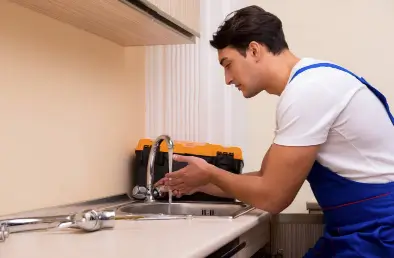
Maintaining water pressure requires a methodical approach: inspect fixtures for hidden flow draws, verify regulator and valve settings, and balance the system to equalize branch pressures. Remove debris and sediment, minimize pipe friction with clean routes and appropriate fittings, and document all readings for trend analysis. Implement preventive maintenance, including corrosion control and pulsation reduction, before issues escalate. If pressure remains unstable, a professional assessment offers calibrated steps tailored to the specific system.
What Causes Water Pressure Drops
Several factors can reduce water pressure within a plumbing system, often stemming from upstream supply limitations, equipment design, or in-system restrictions. The analysis identifies low pressure causes as predominant contributors, including reduced supplier flow, pressure regulator malfunction, and circulation losses.
Pipe clogs restrict cross-sectional area, elevating friction. Sediment buildup, valve misadjustment, and shared-demand networks compound fluctuations, emphasizing systematic diagnosis over ad hoc fixes.
See also: The Importance of Adaptation in Crypto
Quick Do-It-Yourself Fixes to Try Now
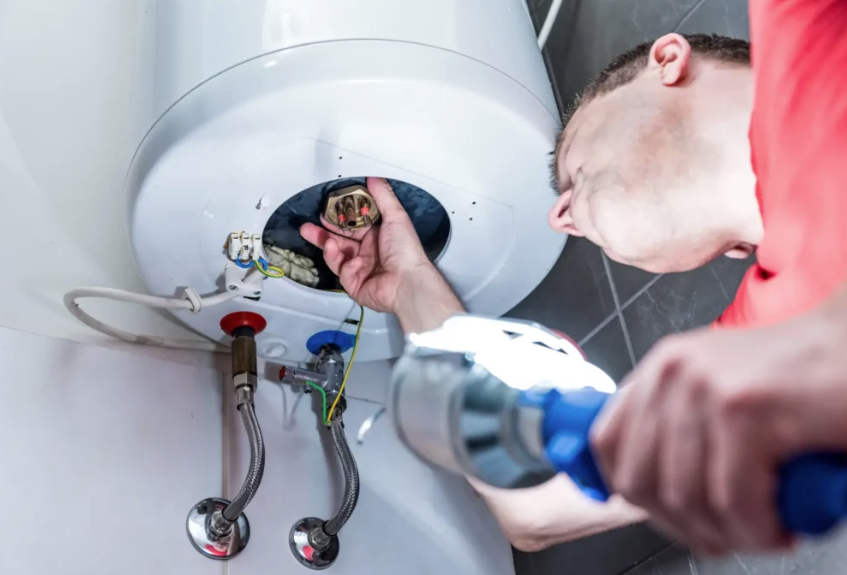
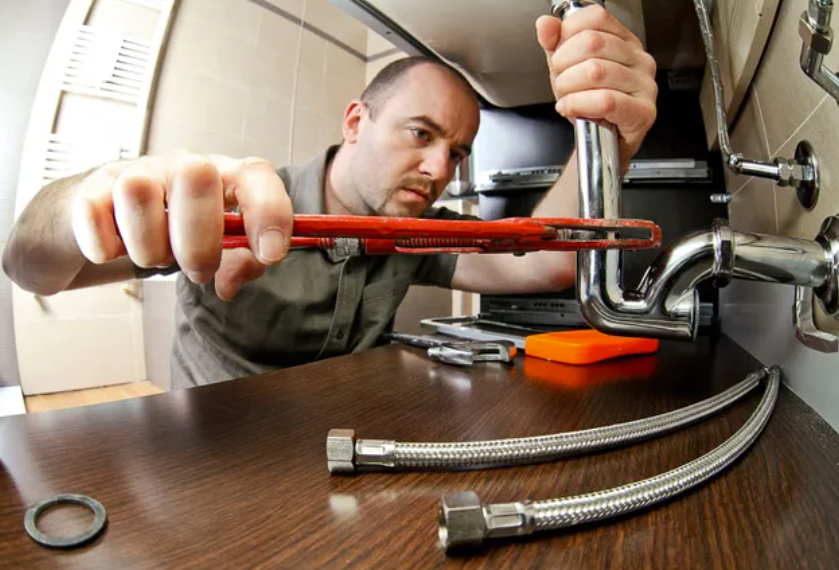
Quick, hands-on steps can help identify and alleviate common pressure issues without professional tools. The section outlines quick fixes a reader can perform, emphasizing measurable outcomes and repeatable procedures. It covers DIY checks of appliances, regulators, and valves, documenting readings and results. Procedures are presented in a neutral, detached tone to support independent problem solving and restore reliable flow efficiently.
Preventive Maintenance for Consistent Pressure
Flow optimization and pipe optimization are pursued through system balancing, debris removal, and corrosion control, ensuring stable delivery, minimized pulsations, and predictable performance across diverse demand scenarios.
When to Call a Pro and What to Expect
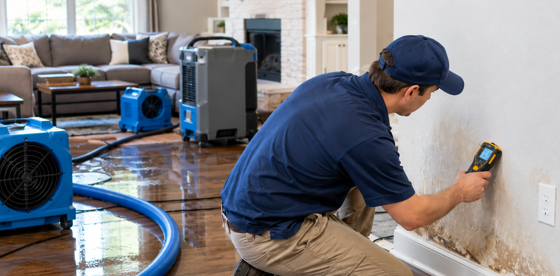
When signs of pressure irregularities persist despite preventive measures, consulting a licensed professional becomes warranted. A pro will diagnose friction causes and assess plumbing layout, valve settings, and supply lines with calibrated instruments. Expect a documented assessment, recommended remedial steps, and timelines. They will identify leak symptoms, isolate circuits, verify repairs, and provide guidance on maintenance to restore stable, predictable pressure.
Conclusion
In the vast plumbing network, a steady pressure is a seasoned pilot, charting a deliberate course through narrow ducts and rising tides. When valves are misaligned or debris clogs the map, the voyage stalls. Regular checks act as yearly weather reports; preventive maintenance keeps the engine clean and balanced. If storms persist, a pro resets the compass with calibrated steps. Thus, vigilance and method become the tacit crew sustaining reliable pressure from source to tap.