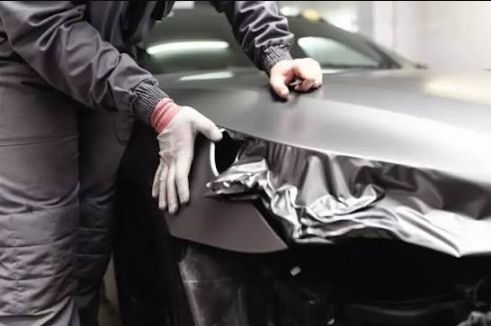
Changing your car’s color can make an older vehicle feel new or give a newer model a more personal appearance. But before choosing a finish, you need to decide whether to apply vinyl film or invest in a traditional paint job. Both options can transform a vehicle, yet they differ in cost, durability, maintenance, and how easily you can reverse the change.
When comparing vinyl car wrap vs paint, the right choice depends on your budget, the condition of your existing paint, and how long you intend to keep the new look.
What Is the Difference Between a Vinyl Wrap and a Paint Job?
A vinyl car wrap uses an adhesive-backed film applied over the vehicle’s existing exterior finish. Available options include gloss, matte, satin, metallic, color-shifting finishes, and custom graphics. The film can be removed later when it is installed on suitable paint and removed correctly.
A paint job involves applying automotive coatings to the vehicle’s body. Depending on the project, this can include surface preparation, primer, basecoat, and clearcoat. Paint is a more permanent solution and is generally preferable when the existing finish requires substantial restoration.
The distinction matters because a wrap changes the surface appearance without repairing the bodywork underneath. Paint, when applied as part of a proper restoration, can address damaged or deteriorated finishes.
See also: Life Coach Employment: How to Build a Successful Coaching Career
Vinyl Car Wrap vs Paint: How Much Does Each Cost?
Cost is often the first consideration when comparing these options. Pricing depends on vehicle size, material quality, preparation, labor, and the complexity of the selected finish.
For a typical sedan, published US automotive guidance places many professional wraps around $2,000 to $5,500. A quality repaint can range from approximately $3,000 to $10,000 or more, depending on the amount of bodywork and the standard of finish. These are broad estimates, not fixed prices for every vehicle or shop.
| Cost consideration | Vinyl car wrap | Traditional paint |
| Typical full-vehicle budget | Approximately $2,000 to $5,500 | Approximately $3,000 to $10,000+ |
| Premium finishes | Specialty films can increase the price substantially | Custom colors and multi-stage finishes can cost more |
| Surface preparation | Cleaning and paint-condition assessment are essential | Sanding, priming, and body repairs may be required |
| Future color changes | Film can generally be removed or replaced | Another paint job may be necessary |
| Repair considerations | Damaged sections may require replacement film and careful color matching | Repainting may be needed to blend repaired panels |
These estimates are illustrative US market ranges. Obtain an itemized quote before making a decision, especially if your vehicle needs dent removal, rust repair, or extensive paint correction.
Which Lasts Longer: Vinyl Wrap or Paint?
A quality vinyl wrap commonly lasts around three to seven years, depending on the film, installation, climate, and maintenance. Prolonged sun exposure, neglected cleaning, and poor installation can shorten its useful life.
Automotive paint can last considerably longer. A well-applied factory finish or quality repaint may remain serviceable for many years when properly maintained, although scratches, corrosion, fading, and collision damage can require repairs.
This makes paint a strong option for owners seeking a long-term finish. A wrap is more suitable for drivers who want a change they can reverse without committing to another permanent color.
Neither option is maintenance-free. Wrapped vehicles need appropriate washing and prompt removal of contaminants, while painted surfaces benefit from regular cleaning and suitable protective treatments.
Benefits of Choosing a Vinyl Car Wrap
1. More Color and Finish Options
Vinyl film offers finishes that can be difficult or expensive to reproduce with conventional paint, including certain matte, satin, textured, and color-shifting effects.
2. Reversible Customization
When the underlying paint is sound and the film is installed and removed correctly, a wrap can be removed to reveal the original finish. This is useful for drivers who expect to change their vehicle’s appearance later.
3. A Protective Layer for Original Paint
Vinyl can help shield suitable paint from some minor surface abrasion and environmental exposure. However, it is not equivalent to dedicated paint protection film and will not prevent every stone chip, scratch, or impact.
4. Flexible Styling for Personal or Business Use
Wraps allow custom colors, contrasting roofs, and branded graphics without permanently repainting the entire vehicle.
When Is Traditional Paint the Better Choice?
Paint is generally the better option when the existing finish is peeling, the body has significant scratches or rust, or you want a permanent color change. A properly executed repaint can restore the appearance of repaired panels and provide a more integrated finish without vinyl seams.
Paint can also be preferable for classic-car restoration and vehicles that need extensive bodywork. However, results depend on the quality of preparation and application, not simply on choosing paint instead of film.
If the original paint is already failing, consult a professional before wrapping. Adhesive removal may lift weak paint or previously repaired surfaces.
How to Choose the Right Option for Your Car
Before committing, consider three practical questions:
- How long will you keep the finish? A wrap suits temporary styling changes, while paint is better for a permanent transformation.
- What condition is the existing paint in? Sound paint is a better candidate for wrapping than peeling or corroded surfaces.
- What finish do you want? Compare material samples and installation costs before choosing a specialty color.
Ask the installer about film manufacturer, warranty coverage, preparation, maintenance requirements, and removal costs. These details provide a clearer basis for comparing quotes than the initial price alone.
Transform Your Vehicle With NYC Wheels Pro
Choosing between vinyl and paint comes down to your goals. A wrap offers flexible styling, removable customization, and a way to preserve suitable original paint. A quality repaint is more appropriate for permanent changes and restoring damaged surfaces.
NYC Wheels Pro: Give Your Car a Fresh Look With Professional Vinyl Wrapping
NYC Wheels Pro provides full-car vinyl wrapping and roof wrapping services from its Brooklyn location. If you are considering a gloss, matte, or custom color, contact the team to discuss your vehicle, preferred finish, and installation requirements.
Visit NYC Wheels Pro or call (646) 450-7290 to request a quote.
Compare the long-term costs, inspect the condition of your paint, and choose the option that best matches your vehicle and your plans for it.