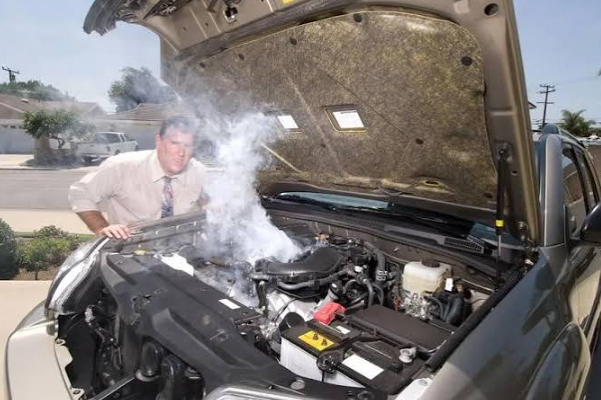
When your car’s temperature gauge starts climbing into the red, it is more than an inconvenience. An overheating engine can suffer serious damage if you continue driving, even if the vehicle seems to be running normally at first.
The problem may be caused by something relatively straightforward, such as low coolant or a leaking hose. However, a faulty thermostat, damaged radiator, failing water pump, or internal engine problem can also prevent your vehicle from maintaining a safe operating temperature.
For drivers in Avenel, NJ, recognizing the warning signs early can help prevent unexpected breakdowns and costly repairs. Understanding when to seek professional engine cooling system repair in Avenel NJ can also help you protect your vehicle and make informed maintenance decisions.
In this guide, we will explain the common causes of engine overheating, the symptoms to watch for, and what to do if your car begins running too hot.
How Does Your Car’s Cooling System Work?
Your engine generates substantial heat while running. The cooling system regulates that temperature by circulating coolant through the engine and transferring excess heat to the outside air.
Several components work together to keep the engine within its intended operating temperature range.
- Coolant: Absorbs heat from the engine and helps protect against corrosion and freezing.
- Radiator: Transfers heat from the coolant to the surrounding air.
- Thermostat: Regulates coolant flow as the engine warms up.
- Water pump: Circulates coolant through the engine and cooling system.
- Cooling fan: Helps move air through the radiator, particularly when the vehicle is moving slowly or idling.
- Hoses and connections: Carry coolant between the engine, radiator, and other components.
- Pressure cap and coolant reservoir: Help maintain the system’s proper pressure and coolant level.
If one of these components fails, coolant circulation or heat transfer may be affected. The engine can then become hotter than it should, especially during heavy traffic, extended trips, or warm weather.
See also: Life Coach Employment: How to Build a Successful Coaching Career
7 Common Reasons Your Car Is Overheating
1. Low Coolant Levels or a Coolant Leak
Low coolant is one of the most common reasons an engine overheats. Without enough coolant circulating through the system, the engine cannot transfer heat as effectively.
Coolant levels may drop because of a damaged hose, leaking radiator, worn water pump seal, faulty pressure cap, or leak elsewhere in the system.
Common warning signs include:
- A rising temperature gauge
- A low coolant warning on the dashboard
- Colored fluid beneath the parked vehicle
- A sweet smell around the engine
- Steam coming from under the hood
If your coolant level repeatedly drops, simply topping it off will not solve the underlying problem. The cooling system needs to be inspected to locate the leak.
A technician may perform a pressure test to help identify leaks that are difficult to see during a visual inspection.
2. A Faulty Thermostat
The thermostat controls coolant flow based on engine temperature. It helps the engine warm up efficiently and then allows coolant to circulate as needed.
If the thermostat becomes stuck closed, coolant flow to the radiator may be restricted, causing the engine to overheat. Other thermostat problems can lead to unusual temperature fluctuations or prevent the engine from reaching its intended operating temperature.
You may notice the temperature gauge climbing unusually quickly, inconsistent engine temperatures, or poor cabin heating in some situations.
Because similar symptoms can result from other cooling system problems, replacing the thermostat without confirming the fault may not fix the issue.
Professional diagnosis can help determine whether the thermostat is malfunctioning or whether another component is responsible.
3. A Damaged or Clogged Radiator
The radiator plays a central role in removing heat from the engine coolant. If it leaks, becomes restricted, or cannot transfer heat effectively, the engine may overheat.
Radiator problems can develop because of corrosion, physical damage, internal deposits, damaged fins, or restricted coolant flow. A faulty radiator cap or leaking connection can also contribute to cooling problems.
Possible symptoms include coolant loss, visible leaks, recurring overheating, or temperature increases during extended driving.
The appropriate repair depends on the condition of the radiator. A minor issue with a connection may require a different solution from a leaking or internally restricted radiator.
A professional inspection can help determine whether repair, cleaning, or replacement is appropriate for your vehicle.
4. A Failing Water Pump
The water pump circulates coolant throughout the engine and cooling system. If it cannot move coolant effectively, heat can build up inside the engine.
Water pumps can develop worn bearings, leaking seals, damaged internal components, or other mechanical problems. In some vehicles, a belt-related problem can also affect water pump operation.
Watch for warning signs such as:
- Coolant leaking near the pump
- Unusual whining or grinding noises
- An engine temperature that keeps rising
- Coolant circulation problems
- Steam or signs of overheating
Water pump symptoms can overlap with other cooling system faults, so a technician should confirm the cause before recommending replacement.
If the water pump is driven by a timing belt, the repair may also involve considering the manufacturer’s timing belt service recommendations.
5. A Cooling Fan That Is Not Working Properly
Your radiator needs sufficient airflow to release heat from the coolant. At highway speeds, air moving through the grille helps with this process. At low speeds or when the car is idling, the cooling fan becomes especially important.
If the fan motor fails, a fuse blows, a relay malfunctions, or a temperature sensor or control circuit develops a problem, airflow may be insufficient.
One possible symptom is a temperature gauge that rises while sitting in traffic but improves once the vehicle begins moving. However, this pattern does not prove that the fan is the cause.
A technician may inspect the fan motor, electrical connections, fuses, relays, sensors, and control system to determine why the fan is not operating as intended.
Correctly identifying the fault can prevent unnecessary replacement of otherwise functional parts.
6. Damaged Coolant Hoses or a Faulty Pressure Cap
Coolant hoses carry fluid between different parts of the cooling system. Over time, heat, age, and pressure can cause hoses to crack, swell, weaken, or leak.
A loose connection may also allow coolant to escape. Meanwhile, a faulty pressure cap can interfere with the system’s ability to maintain the intended pressure.
These problems may lead to coolant loss, overheating, or visible residue around hose connections.
During an inspection, a technician may check the hoses for deterioration, examine the connections, and test the pressure cap where appropriate.
Do not remove a radiator cap or open a pressurized coolant reservoir while the engine is hot. Hot coolant can spray out and cause serious burns. Wait until the engine has cooled completely and follow the vehicle manufacturer’s instructions.
7. A Blown Head Gasket or Other Internal Engine Problem
Sometimes, overheating is caused by a more serious internal engine problem.
A head gasket seals the connection between the engine block and cylinder head. If it fails, coolant may enter the combustion chambers, combustion gases may enter the cooling system, or engine oil and coolant may mix.
Potential warning signs include:
- Repeated coolant loss without an obvious external leak
- Persistent white exhaust smoke after the engine is fully warm
- Milky-looking contamination in the engine oil
- Bubbles or abnormal pressure in the cooling system
- Repeated overheating
- Rough engine operation
These symptoms do not automatically confirm a blown head gasket. Some can have other causes, and not every head gasket failure produces all of them.
A technician may use pressure testing, combustion-gas testing, compression testing, or other diagnostic procedures to investigate the problem.
Early diagnosis is important because continued overheating can cause additional engine damage and make the eventual repair more extensive.
What Should You Do When Your Car Starts Overheating?
If your temperature gauge enters the red zone, a temperature warning appears, or steam begins coming from under the hood, act promptly.
- Turn off the air conditioning. This can reduce the engine’s load while you move toward a safe stopping place.
- Pull over safely. Use your hazard lights as appropriate and move away from traffic.
- Turn off the engine. Do not continue driving to see whether the temperature will return to normal.
- Keep your distance from steam. Do not touch hot engine components or attempt to open the cooling system.
- Allow the engine to cool completely. Never remove a radiator cap while the system is hot or pressurized.
- Arrange roadside assistance if needed. If the engine has overheated significantly, coolant is leaking, or the cause is unclear, towing is safer than attempting to drive to a repair shop.
Continuing to drive an overheating vehicle can damage the head gasket, warp engine components, or lead to engine failure.
If you are unsure whether the vehicle is safe to restart, do not take the risk. Have the problem assessed by a qualified technician.
Common Cooling System Problems and Possible Repairs
The right repair depends on the cause of the overheating, the vehicle’s design, and the condition of the affected components.
| Problem | Possible repair | Why diagnosis matters |
| Coolant leak | Repair or replace a leaking hose, connection, seal, or component | The source of the leak must be identified |
| Faulty thermostat | Replace the thermostat if confirmed defective | Other circulation problems can produce similar symptoms |
| Damaged radiator | Repair or replace the radiator as appropriate | The extent of damage and internal restrictions must be assessed |
| Failing water pump | Repair or replace the pump | Related belt or drive components may also need inspection |
| Cooling fan failure | Repair the motor, wiring, relay, fuse, or control system as needed | The fault may be electrical rather than mechanical |
| Worn pressure cap | Replace the cap with the correct specification | Incorrect pressure control can contribute to coolant loss |
| Suspected head gasket failure | Perform further testing and repair the confirmed internal fault | Multiple tests may be needed to confirm the diagnosis |
A repair shop should explain what has been found, which repairs are necessary, and whether related components need attention before work begins.
How Can You Prevent Your Car From Overheating?
Although not every cooling system failure can be prevented, regular maintenance can help catch problems before they lead to a breakdown.
Check Coolant Levels Regularly
Follow the maintenance schedule in your owner’s manual and check the coolant reservoir when the engine is cold. If the level repeatedly drops, have the system inspected instead of continually adding coolant.
Inspect Hoses and Connections
Cracked hoses, loose clamps, and signs of dried coolant residue may indicate a developing leak. Have suspicious components checked before taking a long trip.
Follow the Recommended Coolant Service Schedule
Coolant deteriorates over time. Use the type specified for your vehicle and follow the manufacturer’s recommendations for service intervals and coolant replacement.
Avoid mixing incompatible coolant types.
Pay Attention to the Temperature Gauge
Get familiar with your vehicle’s normal operating temperature. If the gauge begins climbing beyond its usual range, do not ignore it.
Schedule Routine Maintenance
During regular service, ask about inspecting the radiator, water pump, hoses, belts, cooling fan, and coolant condition. Addressing worn components early may help reduce the risk of unexpected overheating.
When Should You Visit an Auto Repair Shop in Avenel, NJ?
An occasional temperature fluctuation or a small coolant leak may seem manageable, but recurring overheating deserves professional attention.
Consider arranging an inspection if you notice:
- The temperature gauge repeatedly rises above its normal range.
- You need to add coolant more often than expected.
- Coolant is collecting beneath your vehicle.
- Steam or an unusual sweet smell comes from under the hood.
- The cabin heater suddenly blows cold air while the engine temperature rises.
- The engine overheats in traffic or during longer drives.
- A previous cooling system repair has not resolved the problem.
If the vehicle is actively overheating, do not drive it to the shop. Arrange a tow or roadside assistance.
For drivers looking for engine cooling system repair in Avenel NJ, Avenel Auto Repair can be a local point of contact for discussing cooling system symptoms and arranging an inspection.
When contacting a repair shop, describe when the overheating occurs, whether coolant is leaking, and whether any dashboard warnings have appeared. These details can help the technician begin the diagnostic process.
Before approving repairs, ask for an explanation of the suspected cause, the recommended testing, and a written estimate for the work.
Frequently Asked Questions
1. Why is my car overheating but not leaking coolant?
An engine can overheat without an obvious external leak. Possible causes include a faulty thermostat, a malfunctioning cooling fan, a failing water pump, restricted radiator flow, or an internal coolant leak. A cooling system inspection can help identify the source.
2. Can I drive my car if the temperature gauge is high?
You should not continue driving if the engine is overheating. Pull over as soon as it is safe, turn off the engine, and arrange assistance if necessary. Continuing to drive can cause serious engine damage.
3. How long does engine cooling system repair take?
Repair time depends on the vehicle and the problem. A straightforward hose or thermostat replacement may take less time than a radiator, water pump, or head gasket repair. Diagnosis, parts availability, and additional damage can also affect the schedule. Ask the repair shop for an estimate after inspection.
4. How do I know if my radiator needs to be replaced?
Signs may include persistent coolant leaks, repeated overheating, visible radiator damage, corrosion, or restricted coolant flow. However, similar symptoms can result from other components. A technician should inspect and test the system before recommending radiator replacement.
5. Why does my car overheat only in traffic?
Overheating at low speeds can sometimes point to a cooling fan problem because less air naturally flows through the radiator when the vehicle is stationary. However, low coolant, radiator restrictions, and other faults can cause similar symptoms. Proper testing is needed to identify the cause.
6. Can low engine oil cause overheating?
Yes. Engine oil lubricates moving parts and helps carry away heat. If the oil level is dangerously low, friction and heat can increase, potentially damaging the engine. Check oil according to your owner’s manual, and treat an oil-pressure warning as an urgent issue.
7. Where can I get engine cooling system repair in Avenel, NJ?
You can contact Avenel Auto Repair at 1310 Rahway Avenue, Avenel, NJ 07001, to ask about inspection and repair availability. If your car is actively overheating, arrange towing instead of driving it to the shop.
Keep Your Engine Running at the Right Temperature
An overheating engine is a warning you should never ignore. Low coolant, a faulty thermostat, a damaged radiator, a failing water pump, or a more serious internal engine problem can all interfere with temperature regulation.
The sooner you identify the cause, the better your chances of preventing additional damage and understanding which repairs are necessary. Regular maintenance, prompt attention to coolant leaks, and monitoring your temperature gauge can also help reduce the risk of an unexpected breakdown.
If your vehicle is running hotter than normal or repeatedly losing coolant, contact Avenel Auto Repair to discuss an inspection. Professional engine cooling system repair in Avenel NJ can help identify the underlying issue and determine the appropriate next steps for your vehicle.