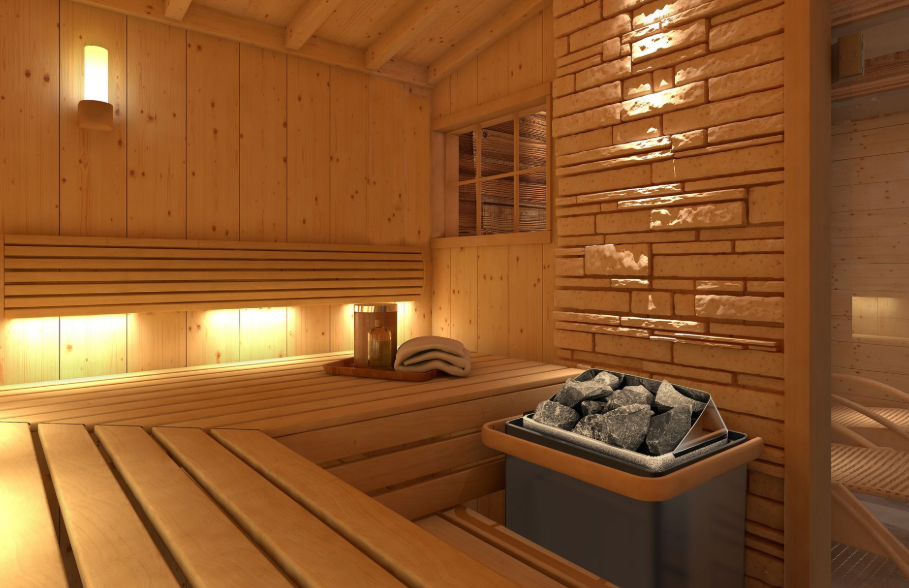
A sauna can be a wonderful addition to a home, wellness center, gym, or commercial spa. One of the most important components of any sauna is the heater, as it determines how efficiently the space warms up and how comfortable the experience will be. Electric sauna heaters have become a popular choice because they offer convenient operation, consistent heat, and easy installation compared with many traditional heating methods.
What Are Electric Sauna Heaters?
Electric sauna heaters are heating units designed specifically to raise and maintain the temperature inside a sauna room. They use electrical power to heat sauna stones or another heating element, creating the warm environment associated with traditional sauna bathing.
Unlike wood-burning heaters, electric models do not require firewood, chimneys, or constant attention to a fire. With the appropriate controls and electrical installation, users can adjust the temperature and operate the heater conveniently.
See also: The Role of Furniture in Creating Resident-Centered Senior Living Communities
Benefits of Electric Sauna Heaters
One of the main advantages of electric sauna heaters is their convenience. Many models can be turned on and adjusted using simple controls, allowing users to set their preferred temperature without preparing fuel.
Electric heaters can also provide consistent heating. Once the desired temperature is reached, the heater can cycle as needed to help maintain a comfortable environment. This makes electric heating suitable for people who want a straightforward sauna experience.
Another benefit is cleanliness. Because electric heaters do not burn wood inside the sauna, they do not produce smoke, ash, or wood debris. This can make regular sauna maintenance easier.
Choosing the Right Heater Size
Selecting the correct heater size is essential for efficient sauna performance. A heater that is too small may struggle to heat the room properly, while an unnecessarily large unit may use more energy than needed.
When choosing among electric sauna heaters, consider the size and construction of your sauna room. Wall materials, insulation, windows, doors, and ceiling height can all influence heating requirements. Manufacturers typically provide recommended room-size ranges for their heaters, which can help you narrow down your options.
Sauna Stones and Heat Distribution
Many electric sauna heaters are designed to hold sauna stones. These stones absorb heat from the heating elements and release it gradually into the room. They can also be used to create steam when water is carefully poured over them, depending on the heater’s design and manufacturer’s instructions.
Quality sauna stones should be selected according to the heater manufacturer’s recommendations. Using suitable stones helps support proper airflow, heat distribution, and safe operation.
Installation Considerations
Proper installation is an important part of choosing and using electric sauna heaters. Electrical connections should be completed by a qualified professional who can ensure that the heater is connected according to applicable electrical requirements and manufacturer instructions.
The heater should also have sufficient clearance from walls, benches, and other materials. Following installation guidelines helps reduce safety risks and allows the heater to operate as intended.
Energy Efficiency and Operating Costs
Energy consumption is another factor to consider when selecting a sauna heater. The power rating of the heater, sauna size, insulation quality, desired temperature, and length of each sauna session can affect electricity usage.
A well-insulated sauna can help retain heat and reduce the amount of energy required to maintain the desired temperature. Using the heater only for the necessary amount of time can also help manage operating costs.
Maintenance and Safety
Electric sauna heaters generally require relatively simple maintenance, but they should still be inspected and cleaned according to the manufacturer’s recommendations. Sauna stones may need to be rearranged or replaced periodically to maintain proper airflow.
Always follow the manufacturer’s safety instructions. Keep combustible materials away from the heater, avoid covering ventilation openings, and use only accessories approved for sauna environments. If you notice unusual odors, electrical issues, damaged components, or other problems, stop using the heater and have it inspected by a qualified professional.
Conclusion
Electric sauna heaters provide a convenient and reliable way to heat a sauna while offering straightforward temperature control and consistent performance. Whether you are installing a new home sauna or upgrading an existing setup, selecting the right heater size, following installation requirements, and maintaining the equipment properly can help create a comfortable sauna environment.
Before purchasing a heater, compare its specifications, recommended sauna-room size, control options, electrical requirements, and safety features. With the right equipment and proper installation, an electric sauna heater can be an excellent part of a relaxing and enjoyable sauna experience.