A well-chosen door can influence far more than the way rooms connect. Metal frame interior doors bring structure, light, and character to spaces that might otherwise feel closed off. Native Doors offers door designs that combine practical function with a distinctive architectural look, making metal-framed styles a natural fit for homeowners who want their interiors to feel refined without looking overly decorated.
A Stronger Visual Connection Between Rooms
Traditional solid doors create a clear separation between spaces. That can be useful for bedrooms and private areas, but it is not always ideal for living rooms, kitchens, home offices, or dining areas. Metal-framed interior doors offer a different approach.
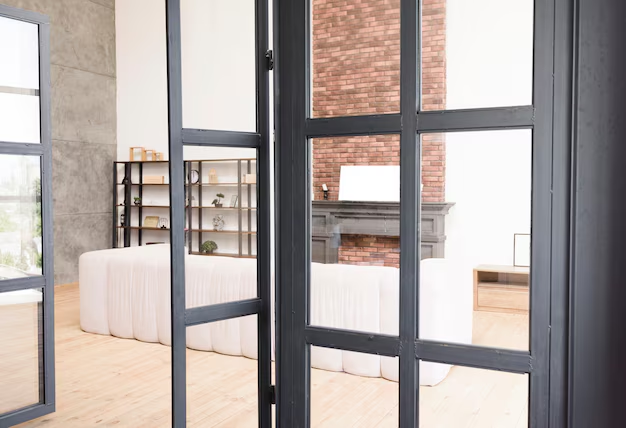
Many designs use glass panels surrounded by slim metal profiles. The frame defines the doorway while the glass maintains a visual connection between adjacent rooms. Light can pass from one space to another, helping interiors feel more open without removing the boundary between them.
This makes these doors particularly useful in homes with smaller floor plans. Instead of making every room feel like a separate box, the design allows spaces to relate to one another.
Natural Light Becomes Part of the Design
Light has a major influence on how a room feels. A dark hallway beside a bright living room, for example, can make the hallway appear narrower and less inviting. Installing a glass-panel metal door between the two areas can help distribute available daylight.
The effect is especially noticeable when doors separate:
- Kitchens from dining areas
- Living rooms from hallways
- Home offices from common spaces
- Bedrooms from dressing areas
- Entryways from interior living spaces
Clear glass provides the greatest amount of visual openness, while frosted, textured, or tinted glass can provide greater privacy.
Instead of treating a doorway as a solid visual barrier, homeowners can use it as part of the home’s lighting plan.
A Distinctive Architectural Style
Metal frames have a character that is difficult to reproduce with conventional wood or composite doors. Their slim profiles create defined lines that can complement both traditional and contemporary interiors.
Black metal frames are often associated with industrial-inspired interiors, but the style is not limited to that aesthetic. Depending on the frame finish, glass type, panel arrangement, and surrounding materials, these doors can work with minimalist, transitional, modern farmhouse, and eclectic interiors.
The result often comes from contrast. A metal frame beside warm wood flooring creates visual balance. Against white walls, dark framing provides definition. In a room filled with stone, concrete, or neutral finishes, glass and metal can add structure without introducing another heavy material.
Better Use of Open Plan Spaces
Open floor plans provide flexibility, but completely open rooms can sometimes lack definition. Furniture can separate areas to a degree, yet it does not always provide enough privacy or acoustic separation.
A metal-framed glass door can divide two areas without making the floor plan feel closed.
For example, a home office can be separated from the living room with a framed glass door. The office remains visually connected to the rest of the home, while the door creates a clearer distinction between work and relaxation areas.
The same principle works for kitchens. A framed door can help contain cooking smells and some noise while preserving the open feel that homeowners often want in shared living spaces.
Design Flexibility for Different Interiors
One reason metal-framed doors work across different design styles is the range of configurations available.
A homeowner can select from different combinations of:
- Single or double doors
- Sliding or hinged operation
- Clear or privacy glass
- Divided or larger glass panels
- Dark or lighter frame finishes
- Simple or more detailed grid patterns
Panel arrangement can have a surprisingly strong effect on the appearance of a room. Larger glass sections tend to create a cleaner, lighter appearance, while smaller divisions produce a more traditional architectural character.
Door hardware also contributes to the overall result. Handles, hinges, and other fittings can be selected to coordinate with existing fixtures throughout the home.
Privacy Without Closing Off the Room
Glass doors are sometimes dismissed as impractical because of privacy concerns. The choice of glass, however, can change how much visibility a door provides.
Frosted glass can soften visibility while still allowing light through. Textured glass creates a decorative surface and reduces clear views between rooms. Tinted options can introduce another layer of visual separation.
This makes framed glass doors suitable for spaces where complete openness is not desirable.
A home office, for instance, may benefit from daylight and visual connection but still require a degree of separation during meetings. A textured or frosted panel can provide that balance without resorting to a completely solid door.
Durability and Everyday Function
Interior doors are used constantly, so appearance should not be the only consideration. The frame, hinges, hardware, and glass all contribute to the door’s long-term performance.
Metal framing provides a sturdy structure, while properly selected glass can offer the durability required for regular residential use. Quality installation is equally important because alignment, hardware adjustment, and secure fitting can affect how a door operates over time.
Maintenance is generally straightforward. Glass can be cleaned with suitable household products, while metal frames typically require little more than regular dusting and occasional cleaning. Choosing finishes and materials suited to the room can also help maintain the door’s appearance.
Small Changes Can Have a Large Interior Effect
A full renovation is not always necessary to give a home a different visual character. Replacing a conventional interior door can alter the appearance of an entire passage between rooms.
Consider a dark wooden door separating a hallway from a dining area. Replacing it with a slim metal frame and glass panels can introduce light, reveal more of the adjoining room, and create stronger sightlines.
The physical footprint of the doorway has not changed, but the perceived space can feel noticeably different.
That is one of the most useful qualities of this door style. It changes the relationship between rooms without requiring walls to be removed.
Choosing the Right Door for Your Home
The best design depends on the room, available space, privacy requirements, and existing interior finishes. Before selecting a door, consider how much light you want to pass through, how much visibility is appropriate, and whether a hinged or sliding configuration makes more sense.
Frame proportions also deserve attention. A very heavy frame may dominate a compact room, while a slim profile can create a lighter appearance. Similarly, the glass should complement the room rather than simply being selected as an afterthought.
Think about the surrounding details too. Flooring, wall colors, cabinetry, lighting fixtures, and hardware can all influence which frame finish and glass style will look most natural.
A Door That Becomes Part of the Interior
Interior doors are often treated as functional necessities, but they can contribute strongly to the personality of a home. Metal framing introduces crisp lines, glass brings light and openness, and the combination creates a useful balance between separation and connection.
For homeowners considering a change without completely redesigning their interiors, this style offers plenty of room for creativity. The right configuration can make a hallway brighter, give an office more definition, or create a visual connection between rooms that previously felt disconnected.
For help selecting a style that suits your space, materials, and interior layout, contact us today and discuss your requirements with the Native Doors team. A carefully selected interior door can provide both everyday functionality and a strong architectural detail that remains relevant for years.