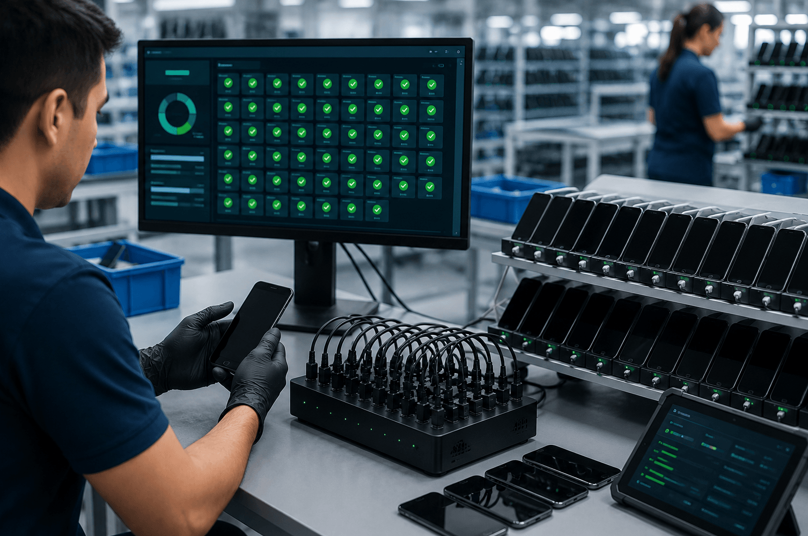
Device refurbishment is built around efficiency. The faster a device can move from collection to testing, cleaning, repair, and resale, the more value a refurbishment business can create. Yet one important stage can quietly slow the entire process: data wiping.
When wiping depends on repetitive manual steps, inconsistent procedures, or scattered records, technicians can spend unnecessary time processing devices and confirming that each one is ready for its next owner. Secure data wiping can help turn this stage into a more controlled and repeatable part of the refurbishment workflow.
The goal is not simply to erase information. It is to create a predictable process that helps teams handle more devices while maintaining confidence in the outcome.
Why Data Wiping Can Slow Refurbishment
A refurbishment workflow often involves many moving parts, from initial inspection to hardware testing and final quality checks. Data wiping sits somewhere in the middle, but delays at this stage can create a queue that affects everything downstream.
When employees have to repeat the same actions for every device or maintain separate records manually, the process becomes harder to scale. A smarter approach can reduce unnecessary handling while giving teams a clearer path from incoming device to resale-ready inventory.
Replace Repetitive Manual Steps With a Controlled Process
Manual wiping can involve several repetitive actions, especially when technicians are processing different devices throughout the day. Each additional step creates another opportunity for inconsistency, missed actions, or unnecessary delays.
Secure mobile data erasure software can help standardize the wiping stage by giving technicians a defined process to follow. Instead of relying heavily on individual experience, teams can work from a consistent workflow.
A more controlled process can help businesses:
- Reduce repetitive technician tasks.
- Make wiping procedures easier to standardize.
- Move devices through processing with fewer unnecessary interruptions.
The result is a workflow that is easier to repeat across different employees and operating shifts.
Standardize Device Handling Across Teams
Refurbishment businesses often process devices from different sources, with varying models, operating systems, and previous owners. Without a consistent approach, different technicians may handle similar devices in slightly different ways.
Standardization helps reduce this variation. A defined wiping workflow can establish clear expectations for when a device should be processed, what steps should be completed, and what documentation should be retained.
This becomes particularly useful as a refurbishment operation grows. New technicians can follow an established process instead of developing their own methods, while experienced employees can spend more time on tasks that require hands-on judgment, such as diagnostics and repairs.
How Secure Mobile Data Erasure Software Improves Throughput
Improving refurbishment efficiency is not always about adding more employees or equipment. Sometimes, the biggest gains come from removing friction between existing stages. Data erasure is a good example because it is necessary for every device but can become repetitive when handled manually.
A software-based approach can help businesses organize wiping into a defined operational stage. Instead of treating each device as a separate administrative task, teams can process larger volumes through a consistent workflow while maintaining visibility over what has already been completed.
Process Devices in Batches
High-volume refurbishment environments need processes that can handle more than a handful of devices at a time. When technicians must repeatedly start, monitor, and document individual wipes, processing capacity can become difficult to maintain as inventory increases.
Secure mobile data erasure software can support a more scalable approach by helping teams manage multiple devices through an organized workflow. This can be especially useful during periods when large batches of returned, traded-in, or end-of-life devices arrive together.
Batch-oriented processes can help teams:
- Reduce repeated setup and administrative work.
- Keep larger groups of devices moving through the workflow.
- Make high-volume processing easier to organize.
This approach allows wiping to become a predictable part of daily refurbishment operations.
Give Technicians Clearer Workflow Visibility
Efficiency depends not only on how quickly a task is completed but also on how easily employees can understand what happens next. If technicians have to check multiple systems or physical records to determine a device’s status, small delays can accumulate across hundreds of units.
A structured software workflow can provide clearer visibility into processing. Technicians can work through defined stages rather than relying on memory or informal communication.
That clarity can help answer practical questions quickly: Has the device been wiped? Has the process been completed? Is documentation available? Should the unit move to the next refurbishment stage?
By reducing uncertainty, teams can spend less time checking status and more time processing inventory.
Why Certified Data Erasure Adds Confidence
Speed is valuable, but refurbishment businesses also need confidence that devices have been processed appropriately before they reach another user. A completed wipe should not simply be something a technician remembers performing. There should be a reliable way to demonstrate that the process took place.
This is where certified data erasure becomes an important part of a mature refurbishment workflow. Documentation can create a clearer connection between the physical device and the digital record associated with its processing.
Create Verifiable Records of Completed Wiping
When devices move quickly through a refurbishment facility, keeping accurate records can become challenging. Manual spreadsheets, handwritten notes, or disconnected systems can make it harder to reconstruct what happened to a particular unit.
A documented erasure process creates a stronger operational record. For businesses, this can support:
- Easier verification of completed wiping.
- More consistent processing documentation.
- Better traceability throughout the refurbishment workflow.
These records can also help teams investigate exceptions when something does not follow the expected process. Rather than depending entirely on individual recollection, employees have documented information to reference.
For operations handling significant device volumes, that added visibility can make data erasure easier to manage at scale.
Reduce Uncertainty Before Devices Reach Resale
A refurbished device may pass hardware tests and look almost new, but it still needs to be appropriately prepared before reaching its next user. Data wiping is therefore more than a technical task; it is part of the final quality process.
Certified data erasure can provide greater confidence that the required wiping stage has been completed and documented before a device moves forward.
For refurbishment teams, this can create a cleaner handoff between data erasure and resale preparation. Instead of asking whether a device has been processed correctly, employees can rely on established procedures and supporting records.
CellDe is one example of a provider that businesses can evaluate when looking for a more structured approach to mobile data erasure.
Connect Wiping With the Rest of Refurbishment
Data erasure should not operate as an isolated task. It works best when it fits naturally into the wider journey of a device. Refurbishment teams need to know when wiping should happen, who is responsible for it, and what evidence should remain once the process is complete.
Connecting these elements can make the entire workflow more predictable. It also helps businesses avoid situations where devices are physically ready for resale but remain stuck because their data-processing status is unclear.
Coordinate Wiping With Diagnostics and Data Transfer
Every refurbishment operation has its own sequence of activities. Some devices may require diagnostics before wiping, while others may follow a different path depending on their condition or source.
The important point is to establish a consistent workflow rather than treating wiping as an afterthought. Teams should define where data erasure fits alongside inspection, testing, repair, cleaning, and final quality control.
A practical workflow might include:
- Initial device intake and identification.
- Diagnostics or required data transfer.
- Secure wiping and confirmation.
- Final testing and resale preparation.
When these stages are clearly connected, employees can understand the device’s position in the process and avoid unnecessary backtracking.
Build a Predictable Path From Intake to Resale
The ultimate objective of refurbishment is to move devices efficiently toward their next use. Every unclear handoff, repeated task, or missing record can slow that journey.
Smarter wiping helps create a more predictable path. When data erasure follows a defined procedure and its completion can be documented, teams have greater clarity about when a device is ready to progress.
This becomes increasingly important as inventory grows. A process that works for a small number of devices may become difficult to manage when hundreds or thousands arrive each month.
CellDe can be considered as part of an evaluation of secure mobile data erasure software, particularly for businesses looking to make data wiping a more organized component of refurbishment operations.
Conclusion
Device refurbishment depends on reliable processes as much as it depends on technical expertise. Data wiping is one of those processes that can become a hidden source of friction when it relies on repetitive manual work, inconsistent procedures, or incomplete documentation.
Secure mobile data erasure software can help refurbishment teams create a more consistent workflow, support higher processing volumes, and maintain clearer records. Certified data erasure can add another layer of confidence by connecting the completed wiping process with documentation that teams can reference throughout the device lifecycle.
The key is to treat data erasure as an integrated part of refurbishment rather than a final administrative hurdle. By making wiping more predictable and easier to manage, businesses can reduce unnecessary delays and create a smoother path from incoming inventory to resale-ready devices. CellDe offers an option worth considering for organizations seeking to modernize this important part of their refurbishment workflow.