Buying a home in Singapore is a major financial milestone, but securing a property with strong capital appreciation requires careful analysis. Savvy buyers often look at premium developments like Lucerne Grand to understand what drives long-term market demand. While aesthetic appeal and unit sizes matter, the true resale value of a condominium depends on structural, geographical, and economic factors. Finding a property that holds its worth involves looking beyond the showroom glitz to analyze historical transaction data, regional growth plans, and demographic shifts. By focusing on key investment pillars, you can identify high-performing properties that yield excellent returns when it is time to sell.
Proximity to MRT Stations and Transport Hubs
The single most critical factor influencing property appreciation in Singapore is accessibility. Condominiums located within a five- to ten-minute walk of an MRT station consistently command a premium in both the rental and resale markets. For instance, projects situated near major transit interchanges allow residents to commute seamlessly across the island, making them highly attractive to future buyers. Consider how properties like Dunearn House benefit from established transit networks, ensuring steady tenant demand and price resilience even during broader market downturns.
The Impact of New Transit Lines
When a new MRT line is announced, nearby properties experience a phased capital appreciation. Buying into an area like Lentor Gardens before the transit infrastructure is fully operational often yields the highest capital gains. Future buyers value the convenience of having multiple MRT lines nearby, which reduces daily travel times and lowers car dependency. Properties that lack direct transit access tend to depreciate faster or stagnate in value over time. Therefore, prioritizing transport connectivity is the safest way to safeguard your real estate investment portfolio against future market volatility. It guarantees that your property remains highly liquid, as there is always a pool of buyers searching for transit-oriented homes.
The Role of District Growth and URA Master Plans
The Urban Redevelopment Authority (URA) Master Plan serves as a reliable blueprint for future property appreciation. Investing in districts targeted for regional business hubs, green corridors, or commercial rejuvenation guarantees a steady influx of tenants and buyers. The area surrounding Thomson Reserve illustrates this perfectly, where planned infrastructure upgrades drive long-term demand. When the government infuses capital into a neighborhood, private developments in the vicinity experience a natural lift in valuation.
Capitalizing on Early-Phase Launches
To maximize resale margins, entering the market during the initial phases of redevelopment is ideal. Securing a unit in the Thomson Reserve new launch allows investors to benefit from a first-mover advantage. As subsequent plots of land in the area are sold at higher prices, the value of early-phase developments rises accordingly. This systematic growth ensures that early buyers secure a lower cost basis while enjoying the upside of future regional transformation. Always study the URA Master Plan to identify areas scheduled for rezoning and infrastructure injection, as these changes directly boost your property’s long-term resale potential and rental yields. Areas undergoing transition from industrial to mixed-use commercial zones present the highest growth trajectory for investors.
School Proximity and Family Appeal
Properties located within a one-kilometer radius of prestigious primary schools enjoy a permanent demand buffer. In Singapore, parents are willing to pay a premium to secure a geographic advantage for their children’s school registration. This localized demand keeps prices resilient, even during broader economic slowdowns. Developments like Pinery Residences attract young families who prioritize education, ensuring a liquid resale market when these families eventually look to upgrade.
Long-Term Liquidity from Family Demographics
A condo that appeals to families offers much better exit options than niche, micro-unit developments. Buyers looking at Vela Bay often prioritize multi-bedroom layouts near reputable educational institutions. When you sell a family-friendly condo, your target audience includes both upgraders and parents planning for their children’s future. This dual-demand profile accelerates transaction times and supports higher asking prices. To secure great resale value, verify the exact walking distance to top-tier schools rather than relying on general neighborhood claims. Furthermore, properties within these school zones hold their value exceptionally well during economic contractions, making them defensive assets. This constant demand from a rotating cycle of new parents ensures you will never struggle to find a willing buyer.
Project Scale and Developer Reputation
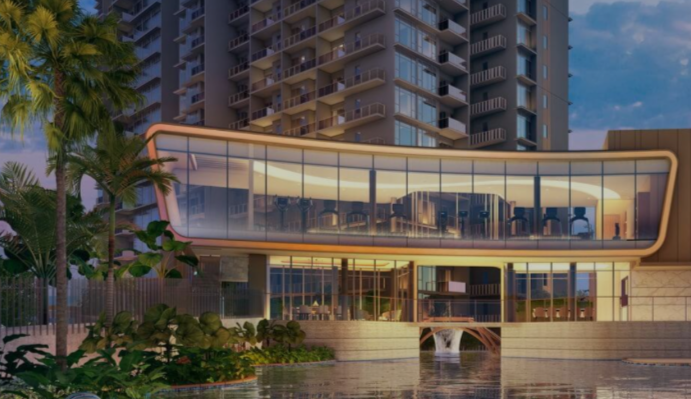
The size of a condominium development directly impacts its maintenance fees, facility variety, and resale transaction volume. Large-scale developments often have lower monthly maintenance costs because the expenses are distributed among more units. A development like Lucerne Grand benefits from this economy of scale, offering extensive communal facilities that attract future buyers. Furthermore, high-transaction volume in larger projects establishes a clear and consistent benchmark price, making it easier for banks to approve high valuations for resale buyers.
The Premium of Trusted Developers
Developer track record is another crucial pillar of resale value. Established builders who completed projects like Dunearn House are known for high-quality construction, efficient space planning, and timely delivery. Buyers are willing to pay more for homes built by reputable companies because they trust the structural integrity and long-term upkeep of the estate. Conversely, boutique developments in quiet areas like Lentor Gardens must offer unique architectural value or exceptional spatial layouts to compete with larger, amenity-rich projects. Balancing project scale with developer reputation is a proven strategy for securing long-term asset appreciation and avoiding costly maintenance issues down the road.
Layout Efficiency and Modern Amenities
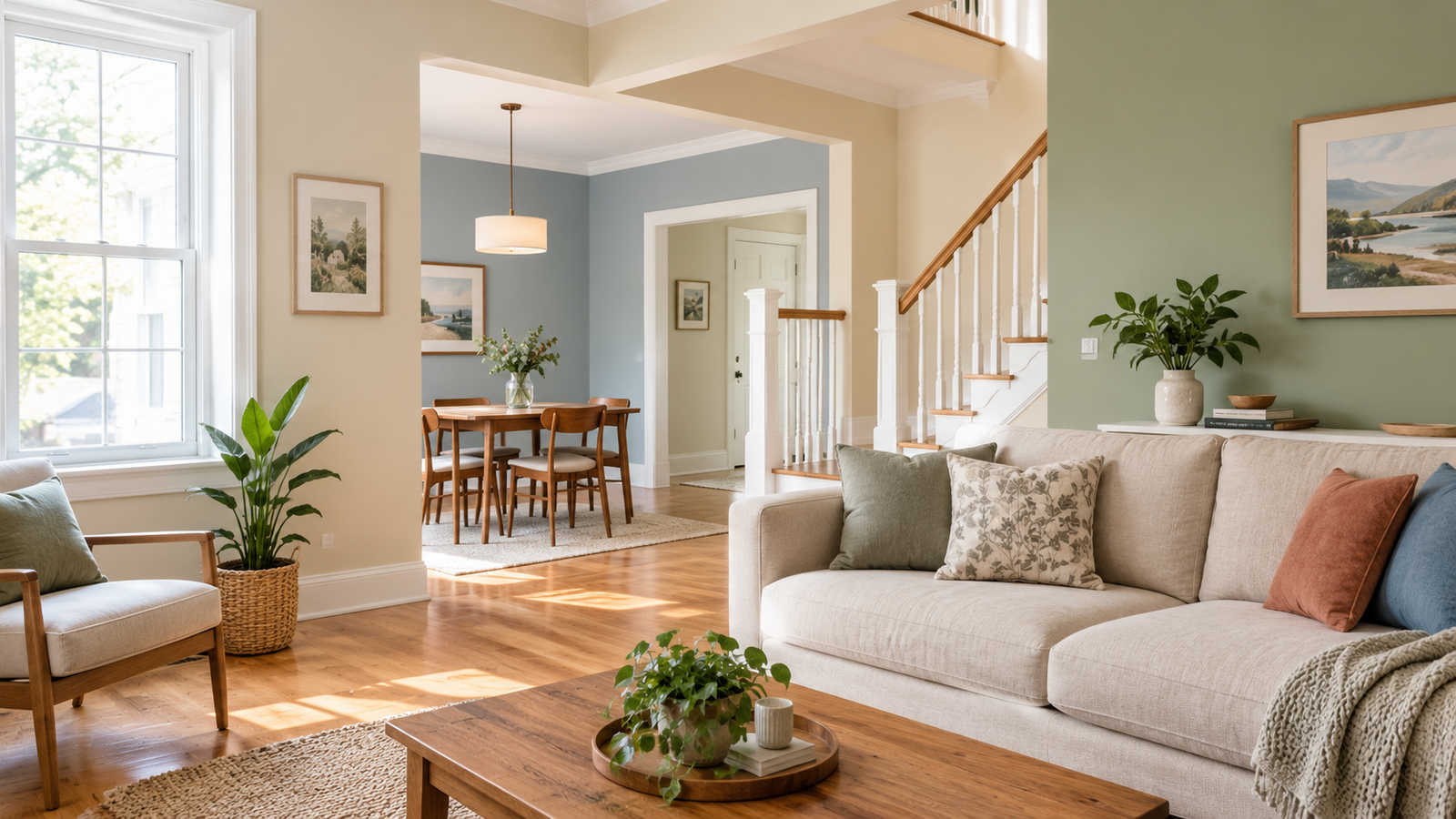
Interior layout efficiency is often the deciding factor when a resale buyer views a property. Units with wasted space, such as excessively large air conditioning ledges, long hallways, or massive balconies, are harder to sell at a premium. Modern buyers prefer functional, squarish layouts that maximize usable indoor space. Properties like the Thomson Reserve new launch emphasize smart space utilization, which appeals directly to pragmatic buyers. High ceilings and ample natural light also create a perception of spaciousness that enhances resale appeal.
Evaluating Estate Maintenance and Facilities
The condition of a condominium’s common areas heavily influences a buyer’s first impression. Well-maintained facilities, such as those found at Pinery Residences, preserve the premium feel of an estate years after completion. In contrast, poorly managed pools, outdated gyms, and peeling paint can quickly depress property values. Buyers evaluating developments like Vela Bay or the established Thomson Reserve should inspect the upkeep of existing projects by the same developer. A proactive managing agent ensures that the estate ages gracefully, protecting your capital investment over the long term and ensuring high demand. Investing in a development with a strong management committee prevents rapid physical depreciation.
Conclusion
Finding a condominium with exceptional resale value in Singapore requires a balanced analysis of location, future government planning, and project-specific attributes. By focusing on transit connectivity, proximity to elite schools, and the reputation of developers behind projects like Lucerne Grand, investors can mitigate risks and optimize capital growth. Remember to study the URA Master Plan and prioritize efficient layouts that cater to long-term demographic trends. While market conditions fluctuate, properties that meet these core criteria will always attract willing buyers, ensuring your real estate portfolio remains robust and highly liquid for years to come.