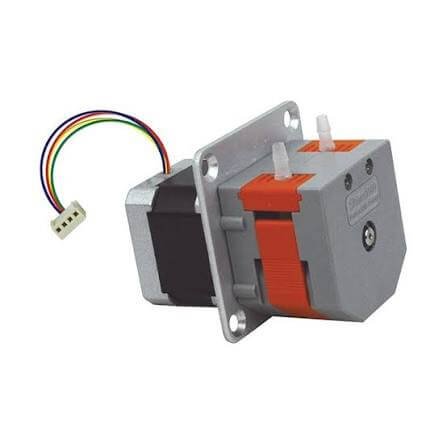
Bringing a new device or piece of equipment to market that requires precise fluid handling capability often means looking beyond standard catalog pumps toward OEM solutions specifically engineered to integrate with a unique product design. Understanding the scope of what OEM peristaltic solutions can offer helps product developers plan more effectively for this integration process.
Beyond Standard Product Modification
While some OEM projects involve relatively modest modifications to an existing standard pump design, more comprehensive oem peristaltic solutions involve deeper engineering collaboration, potentially spanning custom motor selection, specialized control electronics, and mechanical housing designed specifically around the OEM customer’s overall product architecture rather than adapting an existing standalone product.
Engineering Collaboration From Early Development Stages
Product developers achieve the best OEM integration outcomes when they involve their pump solutions provider early in the broader product development process, rather than treating pump selection as a late-stage component sourcing decision. Early collaboration allows the pump engineering team to provide meaningful input on design tradeoffs that affect both pump performance and overall product architecture.
Balancing Performance Requirements With Space Constraints
OEM applications frequently involve significant space constraints, particularly for portable or compact device applications, requiring pump solutions engineered to deliver required flow performance within meaningfully tighter physical dimensions than standard catalog pumps typically offer. This miniaturization challenge often requires genuine custom engineering rather than simply selecting from among existing smaller pump options.
Control System Integration Complexity
Modern OEM applications increasingly require sophisticated control system integration, allowing the pump to communicate with and respond to commands from the broader product’s central control system, rather than operating as an independent component with its own separate control interface. This integration requirement adds meaningful engineering complexity beyond basic mechanical pump design.
See also: Pedicure Station Size: How Much Space Does Each Client Really Need
Testing and Validation for Integrated Systems
OEM pump solutions need validation not just as standalone components but within the context of the complete integrated product system, since performance characteristics can shift once a pump is installed within a broader device housing and control architecture, making collaborative testing between the pump provider and OEM customer an important part of the development validation process.
Planning for Production Scaling
OEM projects that begin with prototype or low-volume production need pump solution providers capable of scaling manufacturing capacity as the OEM customer’s own product moves from initial launch toward higher volume production, making manufacturing scalability an important consideration during initial partner selection.
Conclusion
OEM peristaltic solutions require deeper engineering collaboration and customization capability compared to standard pump procurement, particularly for applications involving significant space constraints or sophisticated control system integration. Product developers who engage pump solution partners early in their development process typically achieve smoother, more successful integration outcomes.
FAQs
Q1: When should I involve a pump solutions provider in my product development process? Early involvement, ideally during initial product architecture planning rather than late-stage component sourcing, typically leads to better integration outcomes and fewer costly redesigns.
Q2: What makes miniaturized OEM pump solutions particularly challenging to develop? Delivering required flow performance within significantly tighter physical dimensions than standard catalog pumps often requires genuine custom engineering rather than simple size selection.
Q3: How does control system integration affect OEM pump development complexity? Pumps that need to communicate with and respond to a broader product’s central control system require additional engineering complexity beyond basic mechanical pump design.