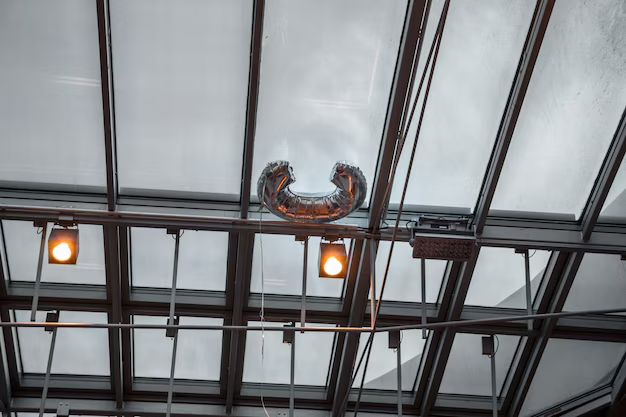
Natural light can change the character of a building, making rooms feel brighter, more open, and more comfortable throughout the day. For anyone planning to buy flat rooflights, the choice should extend beyond appearance. Size, glazing, energy performance, roof structure, ventilation, and installation requirements all affect how well a rooflight performs over time. Skylights Roof Lanterns offers options that can help property owners and project planners find suitable daylight solutions for different types of buildings.
Start With the Purpose of the Space
The room beneath a flat roof should influence your rooflight selection from the beginning. A kitchen, office, hallway, classroom, extension, or commercial workspace may have very different lighting requirements.
A larger rooflight can introduce substantial daylight into a spacious area, while a smaller unit may be more appropriate for a compact room. Consider how much natural light the space receives through existing windows and whether the rooflight will serve as the primary daylight source or simply supplement other glazing.
Think about the way the room is used throughout the day as well. A home office may benefit from carefully positioned daylight that reduces the need for artificial lighting, while a living area may require a larger glazed opening to create a brighter atmosphere.
Measure the Available Roof Area
Rooflight dimensions should match the available roof space rather than being selected purely on visual preference. Measure the proposed opening carefully and identify any structural elements, roof supports, drainage points, vents, or other equipment that could affect placement.
The position of the rooflight also matters. A unit installed where surrounding walls or nearby structures cast heavy shadows may not provide the expected level of daylight.
For renovation projects, check the existing roof construction before ordering a rooflight. The dimensions and installation method need to work with the current roof build-up. New-build projects generally provide more flexibility, but structural requirements should still be confirmed during the design stage.
Select the Right Glazing
Glazing is one of the most influential parts of a flat rooflight. Different glazing types provide different levels of daylight, thermal performance, privacy, and solar control.
Double glazing is widely used because it offers a useful balance between insulation and light transmission. Triple glazing may be considered where higher thermal performance is required, particularly in buildings designed around strict energy efficiency targets.
The glass or glazing system should also suit the building’s orientation. A rooflight receiving strong sunlight for much of the day may benefit from solar-control properties to help limit excessive heat gain.
Safety is another consideration. Rooflights installed in areas where impact resistance is required should use suitable safety glazing and comply with applicable building standards.
Think About Thermal Performance
A rooflight creates an opening in the roof, so its thermal properties deserve careful attention. Poorly performing glazing can contribute to heat loss during colder weather and unwanted heat gain during warmer periods.
Look at the rooflight’s thermal performance specifications rather than judging insulation quality by appearance. Factors such as glazing construction, frame design, seals, and the surrounding roof installation all contribute to the final result.
A well-specified rooflight can help maintain a more consistent indoor temperature and may reduce reliance on artificial lighting during daylight hours. The surrounding roof insulation should also be properly designed so the rooflight does not become a weak point within the overall building envelope.
Consider Rooflight Size and Light Distribution
Bigger does not automatically mean better. An oversized rooflight can introduce more sunlight than a room comfortably needs, particularly in spaces with strong solar exposure.
The aim should be balanced daylight distribution. A well-positioned rooflight can spread light across a room instead of creating a bright patch directly beneath the opening while leaving surrounding areas relatively dark.
For larger spaces, several smaller rooflights may sometimes provide more even illumination than one large unit. This arrangement can also create greater flexibility in positioning the glazing around structural features and internal layouts.
Interior finishes can influence the result too. Light-colored walls and ceilings reflect daylight more effectively, helping natural light travel farther into the room.
Check Ventilation Requirements
Some spaces benefit from more than daylight alone. Ventilation can help remove warm air, moisture, odors, and stale indoor air, making an opening rooflight useful in suitable applications.
A manually operated rooflight may be adequate for a simple residential setting, while electrically operated options can provide greater convenience in hard-to-reach locations. Automated systems can also be paired with sensors or building controls in certain applications.
Bathrooms, kitchens, and other areas where humidity can accumulate may require particular attention to ventilation. The rooflight specification should be assessed alongside the building’s wider ventilation system rather than treated as a separate feature.
Consider Access and Maintenance
A rooflight should remain practical after installation. Although the glazing may require little day-to-day attention, periodic cleaning and inspection can help maintain appearance and performance.
Think about how the rooflight will be accessed safely for cleaning or maintenance. Roof access arrangements vary considerably between residential and commercial buildings, so the installation should take future servicing into account.
Frames, seals, flashing, and surrounding roof materials should also be checked periodically. Problems around the perimeter of a rooflight can sometimes result from poor installation or deterioration of adjoining roofing materials rather than from the glazing itself.
Match the Design to the Building
Practical performance should lead the decision, but appearance still matters. A rooflight can become a noticeable architectural feature, particularly in extensions, renovated properties, and contemporary commercial buildings.
Consider the roof profile, surrounding materials, internal ceiling design, and the visual character of the property. Slim frames can create a cleaner appearance, while different glazing options can affect how transparent or reflective the rooflight looks from inside and outside.
The best choice should feel connected to the building rather than appearing as an afterthought added to the roof.
Review Building Regulations and Installation Requirements
Rooflight selection should not be separated from installation planning. Depending on the building and location, requirements may apply to structural safety, thermal performance, ventilation, fire safety, glazing safety, and weather resistance.
A rooflight also needs to be installed correctly within the roof system. Flashing, waterproofing, insulation, drainage, and surrounding membranes must work together to prevent water ingress and unwanted heat transfer.
Using an experienced installer can help identify potential issues before work begins. It is also sensible to confirm the manufacturer’s installation instructions and any relevant regulatory requirements before purchasing.
Compare Long-Term Performance, Not Just Appearance
Two rooflights may look similar while offering very different performance characteristics. Before making a decision, compare specifications such as glazing type, thermal values, frame construction, opening mechanisms, safety features, warranty terms, and installation requirements.
A product that appears attractive at first glance may not be suitable for the building’s environment. Equally, the most technically advanced specification may be unnecessary for a simple application.
Create a shortlist based on the actual requirements of the property. This makes it easier to compare suitable products without being distracted by features that will have little practical value.
Common Mistakes to Avoid
Several simple mistakes can reduce the effectiveness of a flat rooflight installation.
- Choosing a size without checking the available structural opening.
- Ignoring the roof’s existing insulation and waterproofing system.
- Selecting glazing without considering solar exposure.
- Forgetting how the rooflight will be cleaned and maintained.
- Failing to consider ventilation in rooms where moisture is common.
- Focusing only on the rooflight itself instead of the complete installation.
- Selecting a product without checking relevant safety and building requirements.
Careful planning at the design stage can prevent many of these problems and make installation considerably easier.
See also: Reliable Fencing Solutions for Your Property
Making the Right Choice for Your Building
The right flat rooflight should suit the room, roof structure, climate, daylight requirements, and intended use of the property. Start by establishing the purpose of the space, then assess dimensions, glazing, insulation, ventilation, maintenance, and installation requirements.
Natural light can make a significant difference to how a building looks and feels, but good results depend on choosing a rooflight that works with the rest of the building rather than simply adding more glass. Reviewing specifications carefully and taking professional installation advice can help ensure the finished system delivers the desired balance of daylight, comfort, safety, and durability.
For help selecting a suitable rooflight for your project or discussing available options, contact us today. A considered choice at the planning stage can make the installation easier and help you enjoy the benefits of natural daylight for years to come.