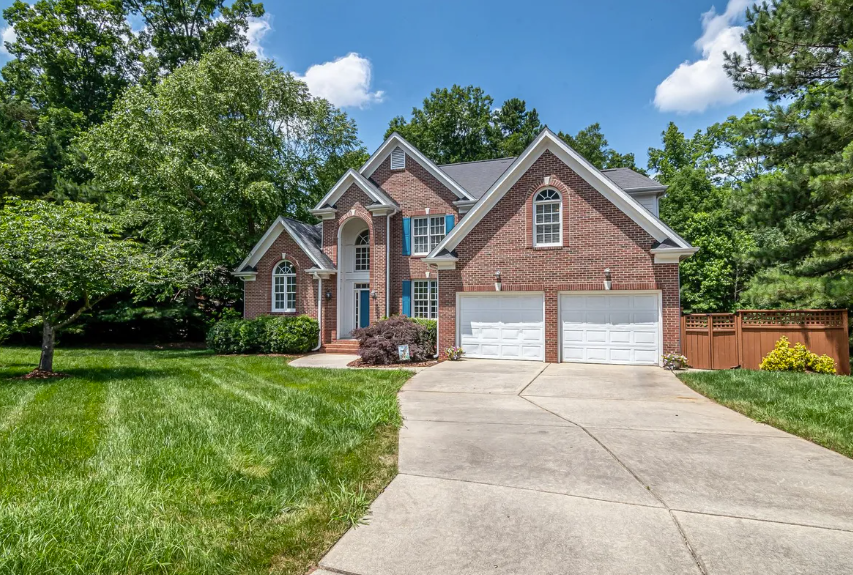
Lakewood has a lot of older homes, and plenty of them have a garage sitting off on its own at the end of the driveway. It’s a pleasant setup, and a garage that quietly gets forgotten.
A detached garage shares no walls, no heat, and no daily foot traffic with the house. Nobody walks past its door on the way to the kitchen. Problems get a long head start before anyone notices, which is why garage door maintenance in Lakewood, CO looks different for a detached building than for one attached to the home.
The door itself isn’t a different machine. The conditions around it are.
Why Does a Detached Garage Door Wear Differently?
A detached garage stands exposed on every side. No shared wall bleeds warmth into it, nothing shelters it from wind, and the temperature inside tracks whatever is happening outdoors. The door swings through a wider range of conditions than an attached one ever does, and the parts feel every bit of it.
See also: NRI Investment in India 2025: A Complete Guide for Indians Living in the United States
Cold gets deeper and stays longer
An attached garage borrows a little warmth from the house whether anyone intends it or not. A detached one borrows nothing. Metal parts run colder, lubricant thickens, and the door works harder on a Lakewood winter morning.
Moisture has nowhere convenient to go
A detached garage often sits at the end of a driveway that drains toward it. Snowmelt collects at the threshold, sits against the bottom of the door, and refreezes. That cycle is rough on seals and rougher on the bottom edge of the panels.
What Gets Missed Because Nobody Is Watching?
Attached garage doors get noticed because people walk through them every day. A detached door might run a handful of times a day with nobody standing anywhere near it. Sounds change slowly, movement gets rougher by degrees, and the first real signal is often the morning it simply stops working.
Things detached garage owners tend to find late
Worth walking out to check on.
- A door that has grown noticeably louder over the course of a season
- A bottom seal that has hardened and cracked through the cold
- Rollers and hinges running dry because nobody was close enough to hear them complain
- Rust starting along the bottom edge where snow piles against the door
- A remote that works from the driveway but not from the street
- Rodents that moved in through a gap nobody spotted
Sound is the early warning you aren’t there to hear
Most garage door trouble announces itself long before it becomes a breakdown, and it does so through noise. If nobody is standing nearby, that warning goes unheard. Detached owners have to go looking for it on purpose.
How Does the Power Situation Change Things?
Power reaches a detached garage from the house, so anything that interrupts it leaves the building dark and the opener dead. There’s no hallway switch to flip and no way to tell from indoors. Getting in comes down to a manual release and a door key that still turns.
Know where the manual release is before you need it
The release lets you disconnect the door and move it by hand. Standing in a dark detached garage during an outage is a poor time to go looking for it for the first time. Find it on a clear afternoon instead.
Keep a way in that doesn’t need electricity
Many detached garages have a side door with a lock nobody has used in years. Check that the key still turns and the door still opens. It’s a small thing until it’s the only way in.
What Kind of Routine Keeps a Detached Garage Door Healthy?
More deliberate than most owners expect, and always when the seasons turn. Because nobody passes the door daily, the routine has to be intentional. A walk out to the garage with the specific purpose of watching and listening catches nearly everything worth catching.
Watch a full cycle, start to finish
Stand there and run the door all the way up and all the way down. Watch whether both sides move together, listen for anything new, and notice where it hesitates. That tells you most of what you need.
Put your hand on the seal
Check whether the rubber is still soft and whether it sits flush against the ground. Hard, cracked, or lifted seals are a common problem on a detached garage, and among the easiest to put right.
Distance Is the Only Thing That Makes a Detached Door Different
Distance from the house is the whole problem. Out of sight turns into out of mind, and a door nobody watches ages faster than one used and observed every day.
A short habit fixes most of this. Walk out, watch a cycle, check the seal. Trouble caught that way stays small, and it rarely picks its own moment to surface.
A detached door that’s gone a long stretch without attention is worth a professional visit, booked while the weather still cooperates. An appointment on a mild afternoon is a far easier thing to arrange than an emergency in deep winter.
2650 Youngfield St STE 6, Lakewood, CO 80215
303-228-9049