Water damage can affect a home in a matter of minutes, leaving behind wet flooring, damaged walls, unpleasant odours, and concerns about mould. In Spring, Texas, heavy rain, plumbing leaks, overflowing appliances, and roof damage can all allow water to enter a property. Quick action helps limit the damage and makes repairs easier to manage. Professional water damage restoration in Spring TX involves removing standing water, drying affected areas, cleaning damaged surfaces, and repairing parts of the home that cannot be saved. Best Option Restoration helps homeowners understand the steps involved in recovering from water damage and why a prompt response matters.
Common Causes of Water Damage in Spring Homes
Water damage can develop suddenly or remain hidden for weeks before visible signs appear. Identifying the source is the first step towards preventing further problems.
Some common causes include:
- Heavy rainfall and flooding: Strong storms can overwhelm drainage systems, allowing water to enter garages, ground floors, and other low-lying areas.
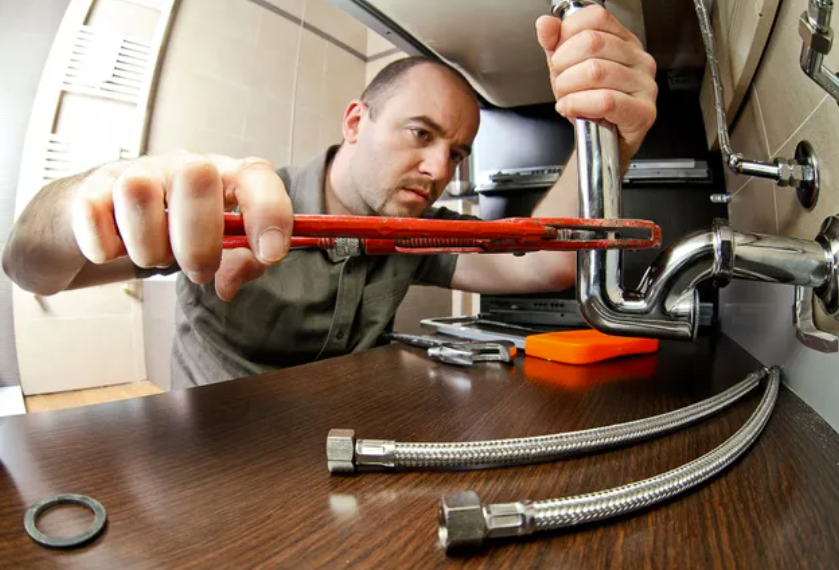
- Leaking pipes: Damaged plumbing connections or burst pipes can soak cabinets, walls, ceilings, and flooring.
- Roof leaks: Missing shingles, damaged flashing, and blocked gutters can allow rainwater to reach the attic and interior ceilings.
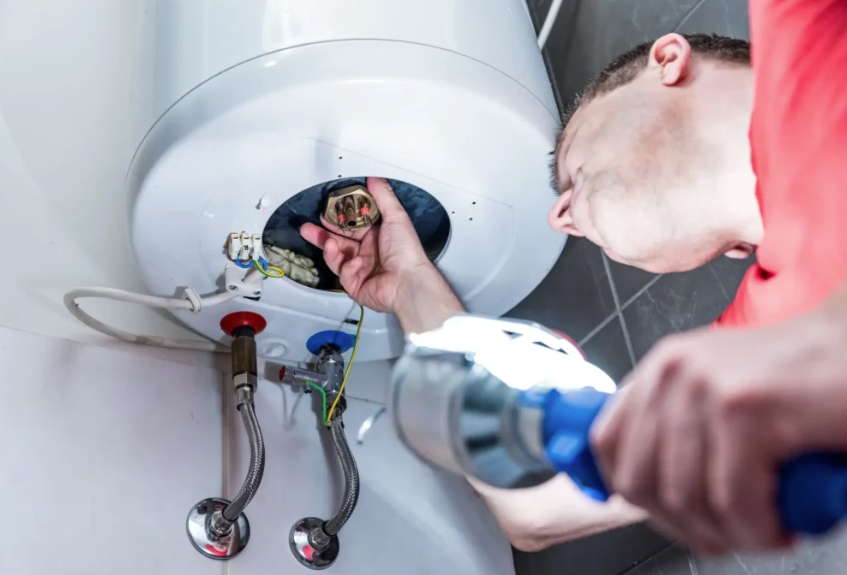
- Appliance failures: Washing machines, dishwashers, refrigerators, and water heaters can leak and damage nearby materials.
- Air conditioning problems: Clogged condensate drains or damaged drain lines can cause water to collect around indoor units.
Even a small leak can cause considerable damage if it continues unnoticed. Regularly checking plumbing fixtures, roof areas, and appliances can help homeowners identify problems before they spread.
See also: Life Coach Employment: How to Build a Successful Coaching Career
What to Do Immediately After Water Damage
The first few hours after water enters a home can affect the extent of the damage. Taking sensible precautions can protect people, belongings, and the property.
Put safety first
If water has reached electrical outlets, appliances, or wiring, stay away from the affected area. Do not enter rooms with standing water if electrical hazards may be present. Contact a qualified electrician or emergency service when needed. If the water may contain sewage or other contaminants, avoid direct contact and keep children and pets away.
Stop the source of water
Turn off the main water supply if a plumbing leak is responsible and it is safe to do so. For roof leaks, use a qualified professional to address the damage rather than climbing onto a wet roof.
Protect belongings
Move small, unaffected items to a dry location if it is safe. Lift important documents, electronics, and valuables away from wet floors. Avoid moving heavy furniture across soaked flooring, as this can spread water or cause further damage.
Document the damage
Take photographs and videos before moving or removing damaged materials, provided the area is safe. These records can help with an insurance claim. Contact your insurer promptly and keep receipts for emergency expenses.
Why Professional Water Removal Matters
Standing water can travel beneath flooring, enter wall cavities, and soak insulation. Removing the visible water does not always mean the property is dry. Professional water damage restoration in Spring TX generally begins with an inspection to identify the source, affected materials, and likely extent of moisture. Restoration technicians then select suitable extraction and drying methods.
The process may include:
- Pumping out standing water from affected rooms.
- Using water extraction equipment to remove moisture from carpets and other surfaces.
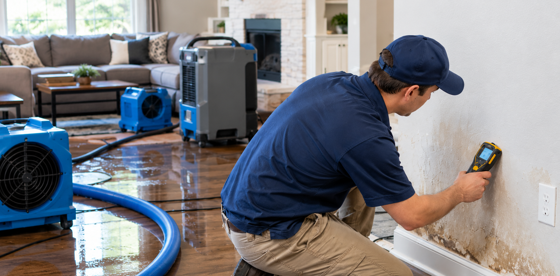
- Placing commercial air movers and dehumidifiers to support drying.
- Checking moisture levels in walls, floors, and structural materials.
- Cleaning and sanitising appropriate surfaces when contamination is a concern.
Professional equipment can reach areas that household fans and basic cleaning tools may not dry effectively. Moisture readings also help technicians assess whether materials need further drying before repairs begin.
How Water Damage Can Lead to Mould
Mould can begin growing on damp materials within roughly 24 to 48 hours under suitable conditions. The actual growth rate depends on moisture, temperature, the material involved, and other environmental factors. Drywall, carpet backing, timber, insulation, and upholstered furniture can all retain moisture. If these materials remain wet, mould may develop and create persistent odours or indoor air quality concerns.
Homeowners should watch for signs such as:
- Musty smells that remain after surface cleaning.
- Dark spots or unusual discolouration on walls and ceilings.
- Peeling paint or bubbling wallpaper.
- Warped flooring or swollen skirting boards.
- Damp patches that return after apparently drying.
Cleaning the visible surface alone may not solve the problem if moisture remains underneath. A restoration professional can assess the affected materials and determine whether cleaning, drying, or removal is appropriate. Extensive mould growth may require a specialist.
Choosing the Right Restoration Company
Finding reliable help can reduce uncertainty during an already stressful situation. Homeowners should look beyond quick promises and consider the company’s experience, equipment, communication, and approach to repairs.
When comparing restoration companies in houston, Spring residents can use several practical checks:
- Relevant experience: Ask whether the team handles the specific type of damage affecting the property.
- Clear inspection findings: A professional should explain the affected areas, proposed work, and any limitations.
- Moisture monitoring: Ask how technicians check that walls, floors, and other materials have dried sufficiently.
- Cleaning and safety practices: Confirm how the company handles contaminated water and materials that cannot be salvaged.
- Written estimates: Request a breakdown of expected work and ask about additional costs that could arise during the restoration.
- Insurance documentation: Find out what records the company can provide to support communication with your insurer.
Best Option Restoration is a name homeowners can consider when researching professional restoration assistance. Before agreeing to any work, confirm the specific services available in Spring, the expected response time, and the proposed restoration plan.
What Happens During the Restoration Process?
The time needed to restore a home depends on how much water entered, how long the materials remained wet, and whether structural repairs are required.
A typical restoration project follows several stages.
1. Inspection and assessment
Technicians identify the water source, assess visible damage, and check moisture levels. They also determine whether the water is clean, contaminated, or potentially hazardous.
2. Water extraction
Standing water is removed using suitable pumps and extraction equipment. This helps reduce the amount of moisture that can spread into surrounding materials.
3. Drying and dehumidification
Air movers and dehumidifiers help remove trapped moisture. Drying can take several days, although severe cases may require longer. Monitoring continues until affected materials reach suitable moisture levels.
4. Cleaning and sanitising
Depending on the water source and the condition of the property, technicians may clean salvageable belongings and surfaces, apply appropriate antimicrobial treatments, or remove contaminated materials.
5. Repairs and rebuilding
Once the affected areas are sufficiently dry, damaged drywall, flooring, insulation, or other building components can be repaired or replaced. Painting and finishing work usually follows these repairs.
Best Option Restoration can be included in a homeowner’s research when comparing providers for this type of work. Ask for a clear explanation of each stage so you understand what needs attention before the home is ready for normal use.
Understanding Restoration Costs and Insurance
The cost of water damage restoration varies from one property to another. A small supply-line leak may require limited drying and repairs, while extensive flooding can involve water extraction, material removal, structural drying, and rebuilding.
Factors that can affect the overall cost include:
- The amount of water and the size of the affected area.
- The type of water involved and any contamination.
- The materials that need drying, cleaning, or replacement.
- The length of time required for equipment and monitoring.
- The extent of repairs needed after drying is complete.
Insurance coverage depends on the policy, the cause of the damage, exclusions, and other terms. Sudden accidental plumbing leaks may be treated differently from flood damage or gradual maintenance-related leaks. Review your policy and speak with your insurer before assuming a particular expense will be covered. Keep photographs, inspection reports, invoices, and records of conversations with the insurer. Ask the restoration company which documents it can supply to support the claims process.
Preventing Future Water Damage
Although not every incident can be avoided, routine maintenance can reduce the likelihood of many common problems.
Homeowners can take these steps throughout the year:
- Inspect exposed pipes, taps, and appliance hoses for leaks or wear.
- Clean gutters and check roof areas for signs of damage.
- Test sump pumps where installed and keep drainage areas clear.
- Check ceilings, skirting boards, and cupboards for unexplained dampness.
- Learn where the main water shut-off valve is located.
- Consider leak detectors near water heaters, washing machines, and other vulnerable appliances.
After heavy rainfall, check accessible areas such as garages, utility rooms, and ceilings for signs of water entry. Address small leaks promptly instead of waiting for visible damage to become more extensive.
Get Help Before Water Damage Spreads
Water damage can affect more than the surfaces you see. Moisture hidden behind walls or beneath flooring may continue causing problems long after standing water disappears. A prompt inspection, proper drying, and suitable repairs can help protect your property and reduce the risk of further deterioration. For homeowners dealing with a leak or flood, professional water damage restoration in Spring TX can provide a clearer path from the initial emergency to a dry, repaired home. Contact Best Option Restoration today to discuss your water damage concerns, ask about available restoration services in Spring, Texas, and find out what steps may be needed to assess and repair your property.