Home renovations often involve difficult decisions about space, light, ventilation, and the overall appearance of a property. Rooflights offer a practical way to address several of these concerns without requiring major changes to the building’s footprint. Among the available designs, pitched rooflights are particularly well suited to homes with sloping or pitched roofs.
A pitched rooflight follows the angle of the existing roof, allowing natural daylight to enter from above while maintaining a consistent relationship with the roof structure. This makes them suitable for loft conversions, extensions, renovated kitchens, bedrooms, stairwells, and other areas that may otherwise have limited access to daylight.
Bringing More Natural Light Indoors
Windows positioned on walls can provide good levels of daylight, but their effectiveness depends on the direction of the room and surrounding buildings. A rooflight introduces light from above, helping illuminate areas that may remain relatively dark even with conventional windows.
The position of a pitched rooflight can also create a different quality of light inside a room. Daylight spreads across ceilings, walls, and floors, making the space feel more open without relying entirely on artificial lighting during the daytime.
For renovation projects involving lofts or rooms beneath sloping roofs, this can be particularly useful. The roof itself provides an opportunity to bring daylight into parts of the property that have limited wall space.
Making Better Use of Roof Space
Renovating a pitched roof can create opportunities for additional usable living space. Loft conversions, home offices, reading areas, and bedrooms can all benefit from rooflights because they do not require the same amount of vertical wall space as conventional windows.
This can be helpful in rooms where the roof slope takes up a large proportion of the available area. A carefully positioned rooflight can provide both daylight and a view of the outside without taking valuable wall space away from furniture, shelving, or storage.
The result can be a more practical room layout, particularly in compact properties where every section of usable wall matters.
A Natural Fit for Pitched Roof Designs
One of the main reasons homeowners choose pitched rooflights is their relationship with the existing roof. Rather than introducing a visually unrelated feature, the rooflight follows the roof’s angle and can sit naturally within the structure.
The final appearance depends on factors such as frame design, glazing, proportions, and installation position. A well-planned rooflight can complement traditional properties as well as more contemporary renovations.
For older homes, careful selection can help maintain the character of the building while improving its internal environment. In newer properties, larger or multiple rooflights can contribute to a cleaner architectural appearance.
Creating a More Open Feeling
Dark rooms can often feel smaller than they actually are. Additional daylight can change how the dimensions of a room are perceived, particularly in spaces with low ceilings or limited windows.
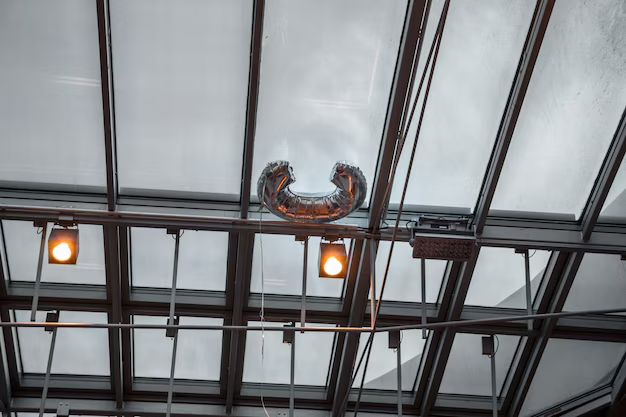
A pitched rooflight can draw attention upward, creating a stronger visual connection between the interior and the roof structure. This can be especially effective in extensions with vaulted ceilings, converted lofts, and open-plan areas.
Rather than relying solely on decorative finishes to make a room feel spacious, homeowners can consider how daylight enters and moves through the space. Rooflights provide another way to shape that experience.
Useful for Extensions and Loft Conversions
Pitched rooflights are commonly considered during extension and loft renovation projects because these projects often involve new or altered roof areas.
A rear extension with a pitched roof, for example, may have enough roof surface to accommodate one or more rooflights. This can help prevent the additional space from becoming noticeably darker than the original part of the home.
Loft conversions present a similar opportunity. Sloping roof areas can restrict the placement of traditional windows, while rooflights can be installed directly into the roof slope. Their position can also be planned around furniture, stairs, workspaces, and other features within the room.
Energy and Daylight Considerations
Natural daylight can reduce the need for electric lighting during daylight hours. The actual energy performance of a rooflight depends on its glazing, frame, orientation, size, installation, and the thermal characteristics of the surrounding roof.
Modern rooflight products are available with glazing designed to provide improved insulation and controlled solar performance. Choosing suitable specifications can help homeowners balance daylight with heat retention and overheating considerations.
Orientation deserves attention as well. A rooflight exposed to strong direct sunlight may introduce substantial solar heat, while another orientation may provide softer daylight. The design should therefore consider the room’s use and the property’s wider energy performance rather than focusing on size alone.
Design Flexibility for Different Rooms
There is no single room where pitched rooflights work best. Their usefulness depends largely on the design of the property.
In kitchens, rooflights can brighten work areas and dining spaces. In bathrooms, suitable roof glazing can introduce daylight while preserving privacy. In bedrooms, carefully positioned rooflights can provide a connection with the sky without taking up conventional wall space.
Home offices can also benefit from increased daylight, although glare and screen reflections should be considered during planning. In larger open-plan extensions, several rooflights can be positioned to distribute light across different sections of the room.
Planning and Installation Need Careful Attention
A rooflight should be considered as part of the wider roof design rather than treated as an isolated feature. The existing roof structure, pitch, rafters, waterproofing, insulation, and internal finishes all influence the installation.
Building regulations and planning requirements may also apply depending on the property and the scope of the renovation. Homeowners should establish the relevant requirements before work begins and use appropriately qualified professionals for structural and installation work.
The rooflight’s position matters too. A poorly positioned unit may provide less useful daylight or create unwanted glare. Early planning allows its size and location to be considered alongside furniture placement, ventilation, insulation, and other elements of the renovation.
Adding Architectural Interest
A pitched rooflight does more than provide daylight. It can become part of the architectural character of a renovated room.
A single rooflight may create a focused area of brightness, while several units can establish a rhythm across a larger roof. In rooms with exposed beams or vaulted ceilings, the rooflight can also emphasise the geometry of the structure.
This makes roof glazing useful for homeowners who want practical improvements without losing sight of the building’s visual character.
See aso: Choosing the Right Industrial Sewing Machine for Your Business
A Practical Choice for Renovation Projects
Pitched rooflights combine several useful qualities: access to natural daylight, efficient use of roof space, compatibility with sloping roofs, and flexibility across different types of rooms. Their effectiveness depends on thoughtful design rather than simply installing the largest possible unit.
Homeowners planning a renovation can assess the roof’s orientation, room dimensions, existing windows, insulation requirements, and intended use before selecting a rooflight. Professional advice can also help determine the appropriate glazing and installation method.
For properties with pitched roofs, this type of roof glazing offers a straightforward way to introduce more daylight while working with the existing architectural form. With careful planning, a pitched rooflight can contribute to a brighter, more comfortable, and better-designed home.