Selecting the appropriate industrial sewing machine is an essential decision for businesses involved in textile production, garment manufacturing, or any large-scale sewing operations. The right machinery can greatly enhance productivity, improve product quality, and reduce downtime. This article examines the key factors to consider when choosing an industrial sewing machine that meets the specific requirements of your business.
Understanding Industrial Sewing Machines
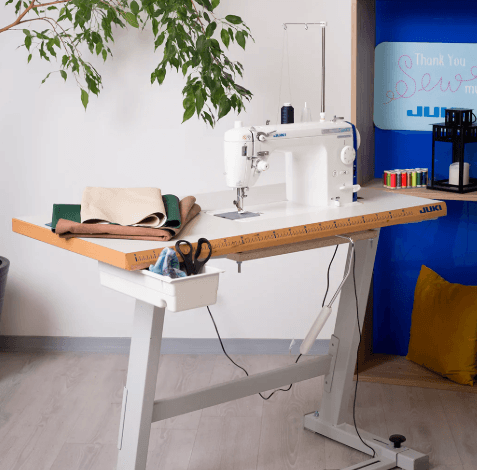
Industrial sewing machines are designed for heavy-duty use and high-speed sewing, in contrast to domestic sewing machines intended for occasional or light use. These machines are robust and built to handle thicker materials such as leather, canvas, denim, or multiple fabric layers with consistent stitch quality. The complexity of modern industrial machines ranges from simple straight-stitch models to sophisticated multi-function machines controlled by computer systems.
Assessing Your Production Needs
Before acquiring an industrial sewing machine, a thorough assessment of production needs is critical. This includes the volume of output expected, types of materials to be sewn, specific stitch requirements, and the level of automation desired. Understanding these parameters enables businesses to choose machines that complement their workflow rather than hinder it.
Evaluating Machine Types
There are several categories of industrial sewing machines, each designed for particular sewing tasks. Straight-stitch machines are the most common and suitable for most sewing work. Overlock machines are used for finishing seams to prevent fraying, while coverstitch machines specialise in hemming knit fabrics. Businesses should identify the types of stitches required regularly and select machines accordingly.
Considering Machine Speed and Efficiency
Speed is a crucial factor in industrial sewing operations. Machines capable of higher stitches per minute can significantly increase productivity. However, the speed should not compromise stitch quality or machine durability. Choosing an industrial sewing machine that balances speed with reliable performance is essential for maintaining production standards.
Material Compatibility
Different machines are designed to handle specific fabric types and thicknesses. For example, some models are optimised for lightweight fabrics, while others are equipped with stronger motors and needles suited for heavy materials. Businesses should verify that the machine under consideration can efficiently handle the materials commonly used in their products.
Automation and Advanced Features
Modern industrial sewing machines come with various degrees of automation and electronic controls. Features such as programmable stitch patterns, automatic thread trimming, and needle positioning can reduce operator fatigue and improve consistency. While these advanced features enhance efficiency, they may also increase the initial investment and maintenance costs.
Durability and Build Quality
Given the intensive use that industrial sewing machines undergo, durability is a major factor. Machines constructed with high-quality components and solid metal frames tend to have longer service lives and require fewer repairs. Assessing build quality and manufacturer reputation is an important step before purchase.
Ease of Maintenance
Maintenance is vital for ensuring the longevity and optimal performance of industrial sewing machines. Machines with accessible parts, clear user manuals, and readily available replacement components make maintenance simpler. Businesses should consider after-sales support and service options available from suppliers.
Ergonomics and Operator Comfort
The usability of an industrial sewing machine affects operator productivity and comfort. Machines with adjustable tables, easy-to-use controls, and quiet operation can reduce operator strain during long shifts. Taking into account ergonomic features promotes worker wellbeing and can reduce errors caused by fatigue.
Space and Power Requirements
Industrial machines require adequate space and appropriate power supply. The physical dimensions of the machine and its operating footprint must fit within the production area. Additionally, machines with higher motor power may need specific electrical installations. Planning for these logistics is essential for smooth integration into existing facilities.
Budget Considerations
The cost of industrial sewing machines varies significantly based on capabilities and brand. While it is tempting to opt for the least expensive model, it is prudent to consider total cost of ownership, including maintenance and potential downtime. Quality machines may have higher initial costs but often lead to greater returns through improved efficiency and reduced repairs.
Supplier Reputation and Warranty
Purchasing from reputable suppliers ensures access to reliable products and customer support. Warranties provide protection against manufacturing defects and offer peace of mind. Researching supplier history and customer feedback can guide businesses toward trustworthy vendors.
Training and Operator Skill Level
Implementing new industrial sewing machines often requires training for operators to use the equipment effectively. Machines with user-friendly interfaces reduce the learning curve, but adequate training remains important to leverage the machine’s capabilities fully. Investing in operator education maximises machine utilisation.
Environmental and Safety Standards
Compliance with environmental and safety regulations is mandatory in industrial settings. Machines that meet or exceed these standards contribute to a safer workplace and reduce the risk of operational incidents. Many manufacturers incorporate safety features such as needle guards and emergency stop buttons.
See also: How to Find a Condo With Great Resale Value in Singapore
Making the Final Decision
Choosing the right industrial sewing machine involves a combination of factors including production requirements, material types, machine capabilities, and budget. Businesses benefit from evaluating various models, seeking expert advice, and possibly conducting machine demonstrations before purchase. Integrating a suitable industrial sewing machine can lead to enhanced production efficiency and product quality, supporting long-term business growth.