Fresh outdoor air is essential for maintaining acceptable indoor air quality, but bringing untreated air directly into a building can create additional heating, cooling, humidity, and filtration demands. A treated fresh air unit conditions outdoor air before it reaches occupied spaces, helping an HVAC system manage these demands in a controlled way.
A treated fresh air system can filter incoming air, adjust its temperature, and manage moisture according to the requirements of the building. It can also operate as part of a larger ventilation and air-conditioning strategy. Understanding how these units work helps engineers, consultants, facility managers, and building owners make better decisions about fresh-air treatment and HVAC design.
What Is a Treated Fresh Air Unit?
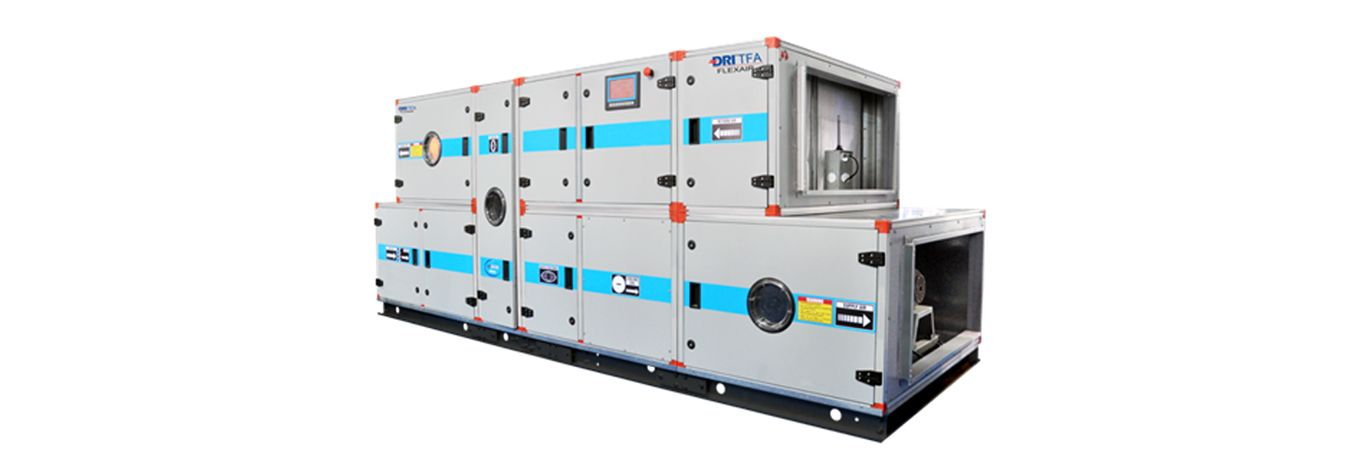
A treated fresh air unit, often called a TFA unit, is an HVAC system designed to condition outdoor air before supplying it to a building. Instead of introducing outside air directly into occupied areas, the unit passes it through a series of treatment stages.
The exact configuration depends on the building, climate, airflow requirements, and indoor environmental conditions. Filtration, cooling, heating, and humidity control can all form part of the treatment process. The objective is to deliver outdoor air at conditions that are more suitable for the building’s ventilation system.
A TFA unit can include several treatment functions, such as:
- Outdoor-air filtration to remove airborne particles
- Cooling or heating to control supply-air temperature
- Dehumidification to manage excess moisture
- Airflow control for consistent ventilation
- Controls for monitoring and regulating operating conditions
A dedicated system can also separate ventilation-air treatment from the equipment responsible for maintaining the overall space temperature. This distinction can be useful in HVAC designs where outdoor-air loads vary significantly from the internal cooling or heating requirements.
Treated Fresh Air Unit vs. Standard Fresh Air System
A basic fresh-air arrangement introduces outdoor air into a building, but the incoming air may not receive the same level of conditioning as it would through a dedicated TFA system. Outdoor air can have a different temperature, humidity level, and particle concentration from the conditions required indoors.
A treated fresh air unit addresses these differences before the air enters the occupied environment. This gives the HVAC system greater control over the quality and condition of ventilation air. The unit can therefore form an important part of a building’s overall ventilation strategy.
The distinction is particularly relevant in buildings where ventilation requirements are substantial. Supplying large quantities of untreated outdoor air can increase the cooling or heating demand placed on other HVAC equipment. Treating the air separately allows designers to consider ventilation and space-conditioning loads more precisely.
How Does a Treated Fresh Air Unit Work?
The operating process starts when outdoor air enters the unit through an intake section. The air then moves through filtration and conditioning components selected according to the project’s requirements. Each stage addresses a particular aspect of the incoming air.
Filtration removes unwanted airborne particles before the air moves deeper into the system. Cooling or heating components then adjust the air temperature, while moisture-control equipment can address humidity when required. After treatment, the conditioned air is supplied through the building’s ventilation and distribution system.
Outdoor Air Intake and Filtration
Outdoor air contains particles that can affect indoor air quality and place additional demand on downstream HVAC components. The filtration stage captures particles according to the selected filter specification and the required level of air cleanliness.
Filter selection depends on factors such as outdoor air conditions, building use, indoor air-quality requirements, and acceptable pressure drop. A suitable filtration strategy also needs to consider maintenance and filter replacement requirements.
Cooling and Heating Fresh Air
Outdoor air temperature can vary considerably throughout the year. A TFA unit can use heating and cooling components to bring incoming air closer to the required supply condition.
Cooling is particularly relevant when outdoor air is warmer than the desired supply condition. Heating may be required when outdoor temperatures fall below the required ventilation-air temperature. Proper control of these stages helps prevent untreated outdoor air from placing unnecessary demands on other HVAC equipment.
Humidity and Moisture Control
Humidity is another major consideration in fresh-air treatment. Outdoor air with high moisture content can increase indoor humidity and create additional cooling and dehumidification loads.
A TFA system can be configured to manage moisture as part of the air-treatment process. Where dedicated dehumidification is required, a desiccant dehumidification wheel can provide another method of removing moisture from the air.
Desiccant dehumidification wheels use moisture-adsorbing material to remove water vapour from an air stream. Their use depends on the required humidity level, operating conditions, and overall HVAC design. The technology can be particularly relevant where humidity needs to be controlled independently from sensible cooling.
What Does a TFA Unit Do for Indoor Air Quality?
Fresh-air treatment has a direct relationship with indoor air quality because the outdoor air entering a building becomes part of the indoor ventilation supply. Filtration helps control particulate matter, while temperature and humidity treatment influence indoor environmental conditions.
A controlled outdoor-air supply can also make ventilation performance more predictable. Instead of relying on uncontrolled outdoor conditions, the HVAC system can condition incoming air before distributing it through the building.
The treatment requirements should always reflect the building’s intended use and ventilation objectives. Filter efficiency, airflow rate, temperature control, humidity management, and system controls should be considered together rather than independently.
Supporting Consistent Ventilation
A TFA unit can provide a controlled source of conditioned outdoor air to the building. This allows ventilation requirements to be addressed without depending entirely on the equipment responsible for space heating or cooling.
The airflow requirement should be determined from factors such as occupancy, building function, ventilation standards, and operating schedules. Correct airflow sizing is essential because insufficient outdoor air can affect ventilation performance, while excessive airflow can increase conditioning loads.
Why Condition Outdoor Air Before It Enters a Building?
Outdoor air does not automatically match the temperature, humidity, or cleanliness required indoors. Treating it before supply helps the HVAC system manage these differences.
The main reasons for conditioning outdoor air include:
- Controlling incoming air temperature
- Removing airborne particles through filtration
- Managing excess moisture
- Maintaining controlled ventilation
- Reducing the impact of outdoor-air loads on other HVAC equipment
A TFA system can therefore be considered part of the building’s ventilation infrastructure rather than simply another cooling or heating device. Its performance depends on correct airflow, appropriate treatment stages, controls, and integration with the wider HVAC system.
Where Are Treated Fresh Air Units Used?
Treated fresh air units can be used in many buildings where controlled outdoor-air ventilation is required. Their configuration should reflect the operating conditions and air-quality requirements of each facility.
Commercial buildings and offices may require controlled outdoor air to support occupancy-related ventilation. Healthcare and hygiene-sensitive facilities can have more specific filtration and environmental requirements. Industrial and manufacturing facilities may also require controlled temperature, humidity, and ventilation conditions depending on the building’s processes.
Other applications can include:
- Educational and institutional buildings
- Retail and commercial facilities
- Hospitality buildings
- Large occupied facilities
- Industrial spaces requiring controlled ventilation
The appropriate configuration depends on airflow volume, outdoor conditions, filtration requirements, temperature targets, humidity levels, and the way the unit will interact with the rest of the HVAC system.
What Should Engineers Consider When Selecting a TFA Unit?
Selecting a TFA unit requires more than matching the equipment to a required airflow figure. The design needs to consider the conditions of the incoming outdoor air and the required condition of the treated supply air.
Required Fresh Airflow
Airflow requirements should reflect occupancy, ventilation criteria, operating schedules, and building use. The system should be sized for the expected operating conditions rather than relying only on nominal airflow requirements.
Outdoor Climate and Air Conditions
Outdoor temperature and humidity influence the amount of treatment required. Seasonal variations should be considered because the unit may face very different conditions during heating and cooling periods.
Filtration Requirements
Filter selection should reflect the required indoor air-quality level and outdoor air conditions. Pressure drop, maintenance requirements, filter replacement, and airflow should also be considered during system design.
Integration With the Existing HVAC System
The TFA unit needs to work correctly with ductwork, air distribution, controls, and other HVAC equipment. Coordination at the design stage helps prevent unnecessary duplication of heating, cooling, or ventilation functions.
An air treatment unit can form part of this wider HVAC arrangement, depending on the building’s ventilation and conditioning requirements.
TFA Units and Energy-Efficient HVAC Design
Treating outdoor air can help an HVAC system manage ventilation loads more effectively. The energy required to condition outdoor air depends on factors such as airflow, outdoor temperature, humidity, operating hours, and the treatment strategy used.
Energy efficiency therefore depends on proper equipment sizing, airflow control, temperature settings, filtration, and coordination with other HVAC components. Energy recovery technologies can also be considered where suitable, particularly when a system needs to handle significant quantities of outdoor and exhaust air.
A TFA unit should not be viewed in isolation. Its energy performance is connected to the complete ventilation and air-conditioning design, including controls and operating conditions.
When Is a Treated Fresh Air Unit Needed?
A dedicated TFA unit may be appropriate when a building requires controlled outdoor-air treatment rather than simply introducing untreated fresh air. This can be particularly relevant where ventilation volumes are substantial or where outdoor temperature and humidity create a significant conditioning requirement.
A TFA system may be considered for buildings with:
- Significant outdoor-air requirements
- High or variable occupancy
- Specific filtration needs
- Challenging outdoor humidity conditions
- Separate ventilation and space-conditioning requirements
- Controlled indoor environmental conditions
The final equipment selection should be based on the building’s airflow, climate, filtration, temperature, humidity, controls, and integration requirements.
Conclusion
A treated fresh air unit provides controlled treatment of outdoor air before it enters a building. By combining filtration with temperature and, where required, humidity control, it allows ventilation air to be managed as part of a coordinated HVAC design.
The right system depends on airflow requirements, outdoor conditions, indoor air-quality objectives, humidity levels, and integration with other HVAC equipment. For projects that require a dedicated approach to outdoor-air treatment, evaluating these factors early in the design process can help establish an appropriate system configuration.
For project-specific requirements or technical discussions, contact Desiccant Rotors International to discuss suitable air-treatment options.
Frequently Asked Questions About Treated Fresh Air Units
What is a treated fresh air unit?
A treated fresh air unit is an HVAC system that conditions outdoor air before supplying it to a building. Treatment can include filtration, cooling, heating, and humidity control based on project requirements.
How does a treated fresh air unit work?
Outdoor air enters the unit and passes through filtration and conditioning stages. The system adjusts the air according to the required temperature, humidity, and air-quality conditions before distributing it through the ventilation system.
What is the difference between a TFA unit and an AHU?
A TFA unit is primarily designed to treat outdoor ventilation air, while an air handling unit can perform a broader range of air-conditioning functions for a building or specific zones. The actual configuration depends on the HVAC design.
Does a TFA unit control humidity?
A TFA unit can be configured for humidity control when required. Depending on the application, moisture can be managed through cooling-based dehumidification, desiccant technology, or other suitable treatment methods.
Where are treated fresh air units commonly used?
TFA units are used in commercial, institutional, industrial, healthcare, hospitality, and other buildings that require controlled outdoor-air ventilation. The configuration varies according to airflow, climate, filtration, temperature, and humidity requirements.