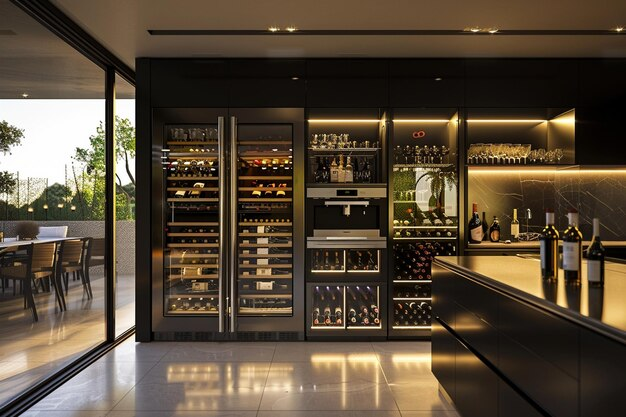
A wine cellar can be more than a dedicated storage area. With the right design, it can become an architectural feature that adds character to a home while keeping bottles properly stored and displayed. A frameless glass wine cellar creates that effect through clean glass panels, minimal framing, and carefully planned lighting. Luxurious Glass specializes in glass solutions that bring a refined look to residential interiors without making the wine collection feel hidden away.
Why Frameless Glass Works So Well in Residential Interiors
Traditional wine cellars often rely on enclosed walls, heavy doors, and dark finishes. Those elements can create a classic atmosphere, but they can also make the cellar feel separated from the rest of the house.
Frameless glass takes a different route. Large transparent panels allow the bottles, shelving, and lighting to remain visible from nearby rooms. The result is a wine display that feels connected to the surrounding architecture.
The minimal framing also keeps visual interruptions to a minimum. Glass becomes the dominant element, allowing the wine racks and interior finishes to provide most of the visual interest.
This approach works particularly well in:
- Open-concept kitchens
- Dining rooms
- Living rooms
- Stairway areas
- Home bars
- Hallways and transitional spaces
- Dedicated entertainment rooms
A glass enclosure can also make a compact wine storage area appear more open without sacrificing its separation from the rest of the home.
Clean Lines Create a Sophisticated Look
The appeal of frameless glass is closely tied to simplicity. Instead of using thick borders around every panel, the design relies on precise glass installation and discreet hardware.
This creates a cleaner sightline across the cellar. From outside, viewers can see the bottles and interior details without being distracted by bulky construction elements.
For homes with contemporary architecture, this style can complement materials such as:
- Natural stone
- Hardwood flooring
- Concrete
- Marble
- Metal accents
- Custom cabinetry
- Neutral wall finishes
Glass also works across different interior styles. A minimalist home may use clear glass with simple shelving, while a more decorative space could pair the enclosure with warm wood racks and statement lighting.
Glass Doors Can Define the Entrance
The entrance deserves as much attention as the cellar itself. A glass door can establish the character of the space before anyone steps inside.
Pivot doors are a popular choice for larger openings because they can create a substantial architectural presence. Swing doors may suit smaller spaces where a more conventional opening is practical. Sliding systems can also work where floor space is limited.
Hardware finishes provide another design opportunity. Brushed metal, polished finishes, matte black, and other tones can be selected to complement nearby fixtures and cabinetry.
Door handles should also be chosen with everyday use in mind. A wine cellar may be opened frequently, so the hardware needs to feel comfortable and substantial rather than purely decorative.
Lighting Turns the Collection Into a Display
Glass provides visibility, but lighting determines how the wine collection is perceived.
Warm LED lighting is often used to create an inviting glow around the bottles and shelving. Carefully positioned illumination can highlight individual rows without making the room excessively bright.
Lighting can be installed:
- Along shelving
- Beneath racks
- Inside display niches
- Around the ceiling perimeter
- Near the floor for subtle accent lighting
The placement matters because direct, excessive illumination can interfere with the atmosphere of a wine cellar. A layered lighting plan generally creates more depth than relying on one bright fixture.
The glass itself can also reflect nearby lighting, so designers should consider both the interior illumination and the surrounding room before finalizing the layout.
Temperature Control Still Matters
A beautiful wine display needs proper environmental control. Glass provides visibility, but it does not replace the insulation and climate-control requirements of wine storage.
A residential wine cellar should be designed around the intended temperature and humidity conditions for the collection. The enclosure, door system, cooling equipment, insulation, and surrounding construction should work together.
This is especially important with glass-heavy designs because the enclosure may include large transparent surfaces. The system should be planned before installation rather than treating climate control as an afterthought.
The location of the cellar matters, too. Areas exposed to substantial sunlight or heat can place additional demands on the cooling system. Interior spaces away from direct solar exposure may offer greater flexibility.
Choosing the Right Glass
Not every glass specification produces the same visual or practical result. The size of the panels, location of the enclosure, door configuration, and surrounding structure all influence the appropriate glass selection.
Safety-rated glass is commonly considered for residential architectural applications because of its strength and breakage characteristics. The exact specification should be determined according to the installation, local requirements, and professional recommendations.
Clear glass provides the most direct view of the collection. Other options can introduce a slightly different visual character while preserving the architectural feel of the enclosure.
For a wine cellar intended as a focal point, highly transparent glass can keep the display crisp and unobstructed. For spaces where some visual separation is preferred, a more private glass treatment may be appropriate.
Shelving and Glass Should Be Designed Together
The enclosure should not be planned independently from the wine racks. Their relationship determines what people see through the glass.
Wood racks can introduce warmth and contrast against transparent panels. Metal systems create a more industrial appearance, while custom cabinetry can make the cellar feel closely connected to the rest of the home’s interior.
Bottle orientation also affects the final composition. Horizontal storage keeps labels visible and makes the collection easier to organize visually. Display shelves can be added for special bottles or decorative pieces.
A well-planned arrangement gives the cellar rhythm without making it look crowded.
Small Wine Cellars Can Make a Big Visual Impact
A dedicated wine room is not necessary to achieve the look. Under-stair spaces, unused corners, dining-room walls, and compact alcoves can all become wine displays with the right planning.
Frameless glass is particularly useful in smaller areas because transparency reduces the visual weight of the enclosure. Instead of creating another solid wall, the glass allows the surrounding room to remain visually connected to the collection.
For compact installations, storage capacity should be balanced against accessibility. Shelving that looks attractive but makes bottles difficult to reach can quickly become impractical.
Maintenance and Everyday Use
Glass requires regular cleaning, particularly around doors and frequently touched areas. Fingerprints and dust are more visible on transparent surfaces than on painted walls or wood.
Fortunately, routine maintenance is straightforward. Soft cleaning materials and suitable glass-cleaning products can keep panels looking clear without damaging the surface.
Hardware should also be checked periodically, especially on frequently used doors. Proper installation from the beginning helps reduce alignment and operational issues later.
Good ventilation and climate-control maintenance are equally relevant. Keeping filters, cooling equipment, seals, and related components in good condition helps maintain the intended cellar environment.
A Design Feature With Lasting Appeal
A wine cellar should feel connected to the architecture rather than added as an isolated storage box. Frameless glass achieves that through transparency, restrained hardware, and an emphasis on the collection itself.
The design can be understated or dramatic depending on the surrounding finishes, lighting, shelving, and door configuration. A small glass enclosure may quietly complement a dining area, while a larger installation can serve as the visual centerpiece of an entertainment space.
For homeowners planning a new wine storage area, the most successful designs usually begin with the practical requirements and then build the aesthetics around them. Glass dimensions, climate control, door operation, lighting, shelving, and available space all deserve attention before fabrication begins.
See also: How to Choose the Right Flat Rooflights for Your Building
Conclusion
A frameless glass wine cellar offers a refined way to store and display wine without visually closing off part of the home. Clear sightlines, minimal hardware, thoughtful lighting, and coordinated shelving can turn a practical storage area into a distinctive architectural feature. The best results come from treating the cellar as part of the home’s overall design rather than as a separate room added at the end of a renovation. For professional glass design and installation guidance, contact us today to discuss the possibilities for your residential wine cellar.