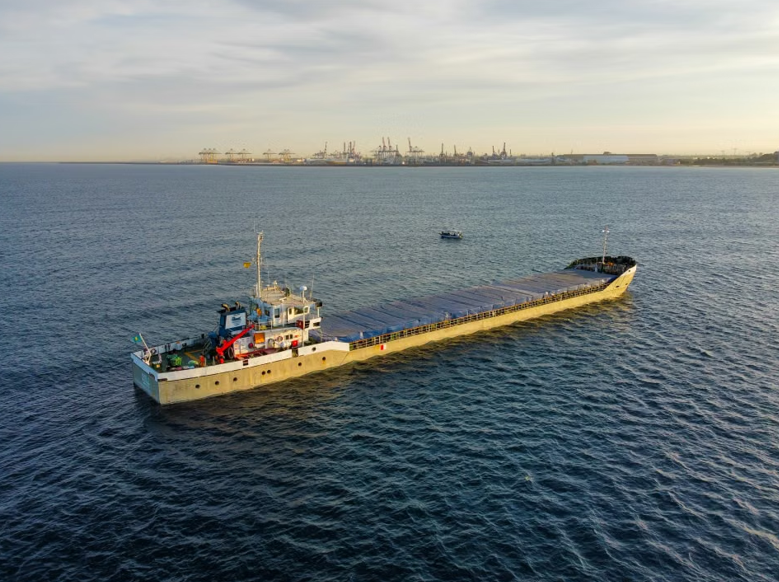
Large-scale shipping had often involved more than simply arranging a truck and sending freight on its way. Businesses had needed to coordinate pickup schedules, transportation options, documentation, tracking, and delivery expectations while keeping daily operations moving. When several shipments were active at once, even a small communication gap could have created unnecessary complications.
A well-organized freight brokerage approach had helped businesses bring these moving parts together. The role of Wichita’s Freight company had become especially relevant for organizations that needed dependable transportation coordination without managing every carrier relationship themselves. By combining freight planning, shipment visibility, and flexible transportation solutions, businesses had been able to make complex shipping activity more manageable.
How Wichita’s Freight company Simplified Large-Scale Freight Planning
Large shipping programs had required careful planning because different loads could have involved different destinations, schedules, equipment requirements, and transportation methods. Instead of treating every shipment as an isolated task, businesses had benefited from a structured approach that connected planning with execution.
The right freight strategy had also reduced the amount of time teams spent handling routine transportation details. Services associated with Wichita’s Shipping had helped businesses consider practical transportation choices while keeping shipment requirements at the center of the process.
Coordinating Multiple Shipments More Efficiently
Managing several loads at the same time had required businesses to maintain accurate information from the beginning. Freight details, pickup dates, delivery locations, and equipment requirements had all influenced the transportation plan. Centralized coordination had made it easier to keep those details organized.
A freight brokerage model had also helped businesses work with transportation providers based on the needs of individual shipments. This approach had been particularly useful when freight volumes changed or when a company needed transportation on short notice.
Businesses had improved their planning by:
- Preparing complete shipment information before requesting transportation.
- Comparing available transportation options according to the load.
- Scheduling recurring freight needs in advance whenever possible.
- Maintaining clear communication about pickup and delivery requirements.
These practices had reduced avoidable delays and made large-scale freight movement easier to manage.
Choosing Transportation Options Based on Shipment Needs
Not every shipment had required the same transportation solution. Full truckload service had worked well for larger shipments that needed dedicated truck capacity, while other freight could have benefited from less-than-truckload or multimodal arrangements.
The ability to consider different transportation methods had given businesses greater flexibility. Depending on the shipment, freight could have been coordinated through road, rail, ocean, or air transportation. This broader perspective had helped companies select options based on urgency, volume, destination, and operational priorities.
For businesses researching Wichita’s Shipping solutions, this flexibility had been an important consideration. Rather than relying on a single transportation approach, companies had been able to build shipping plans around the characteristics of each load.
How King of Freight in Wichita Supported Better Shipment Visibility
Visibility had become increasingly important as businesses handled larger freight volumes. Knowing where a shipment stood had allowed teams to prepare for receiving, communicate with customers, and respond more effectively when transportation schedules changed.
King of Freight in Wichita had represented the type of freight brokerage approach businesses had looked toward when they needed organized shipment coordination. Online management capabilities and shipment monitoring had helped reduce uncertainty by giving businesses greater access to transportation information.
Improving Communication From Pickup to Delivery
Large-scale freight had involved many handoffs, and communication had played an important role throughout the process. Businesses had needed updates when shipments were picked up, when delays occurred, and when freight reached its destination.
A coordinated communication process had helped teams avoid repeatedly contacting different parties for basic shipment information. When transportation updates had been organized through one service structure, businesses had spent less time chasing information and more time focusing on their core operations.
Useful communication practices had included:
- Confirming pickup details before the scheduled date.
- Keeping delivery contacts and locations accurate.
- Reviewing shipment updates regularly.
- Addressing schedule changes as soon as they were identified.
These simple steps had supported smoother freight movement and had helped businesses respond faster to unexpected transportation changes.
Using Digital Tools to Keep Freight Organized
Digital freight management had provided another advantage for businesses handling multiple shipments. Instead of depending entirely on paper records or scattered messages, companies had been able to use online tools to access shipment information and documentation.
Tracking capabilities had made it easier to monitor freight from pickup through delivery. Access to invoices, bills of lading, payment information, and truck requests had also helped consolidate common administrative tasks.
For large shipping operations, this organization had mattered because small documentation errors could have consumed valuable time. Better digital visibility had allowed teams to keep transportation records accessible and supported more consistent internal processes.
How Freight Protection and Flexible Services Reduced Shipping Challenges
Large-scale shipping had also required businesses to consider security, carrier qualifications, and changing transportation conditions. A strong freight process had therefore involved more than finding available capacity. It had included steps designed to make transportation arrangements more dependable and easier to oversee.
The broader services available through a freight brokerage had helped businesses respond to different shipping circumstances. Whether freight required scheduled truck capacity, time-sensitive transportation, or another mode, flexibility had remained an important part of effective logistics planning.
Strengthening Carrier and Shipment Protection
Businesses had needed confidence that transportation providers met appropriate requirements before freight moved. Carrier qualification and background review processes had provided an additional layer of oversight when companies arranged transportation through a brokerage.
Fraud prevention had also become an important consideration as shipping activity became more complex. A proactive approach had helped businesses reduce the risk of problems associated with questionable transportation arrangements.
For organizations reviewing freight providers, practical questions had included:
- How were transportation providers evaluated?
- What shipment monitoring processes were available?
- How were insurance and qualification requirements reviewed?
- What communication was available if a problem occurred?
These considerations had helped businesses make more informed transportation decisions.
Adapting Freight Plans When Business Needs Changed
Shipping schedules had not always remained predictable. Customer demand, inventory changes, production requirements, and urgent orders had sometimes forced businesses to adjust transportation plans quickly.
A flexible freight service had helped companies respond to these changes without rebuilding their entire logistics process. Advance scheduling had supported predictable freight, while access to available transportation had helped address more immediate needs.
This adaptability had been one reason many businesses had continued exploring freight brokerage solutions. Whether companies were expanding shipping volume or dealing with an unexpected transportation requirement, a flexible approach had made large-scale logistics less difficult to control.
Practical Lessons From a More Organized Freight Strategy
The experience of managing high-volume freight had shown that efficiency had depended on preparation, communication, and visibility rather than transportation alone. Businesses that had established repeatable processes had generally found it easier to handle increasing shipment activity.
Searches involving terms such as Ricklefs and Mike Ricklefs had sometimes led readers toward broader freight-related information, but businesses had benefited most from evaluating transportation services according to practical capabilities. The same principle had applied to searches for Michael Ricklefs, where useful logistics information had remained more important than simply recognizing a name.
A strong freight strategy had focused on measurable operational needs rather than assumptions. Businesses had improved their shipping processes by reviewing service flexibility, communication standards, tracking options, documentation, and transportation coordination before committing to a long-term approach.
Conclusion
Large-scale shipping had become more manageable when businesses had replaced fragmented transportation tasks with organized planning and consistent coordination. Better shipment visibility, flexible transportation options, digital management, carrier oversight, and proactive communication had all contributed to a smoother freight experience.
For businesses evaluating Wichita’s Freight company options, the main lesson had been that effective logistics depended on having the right processes in place before challenges appeared. Wichita’s Freight company solutions had supported the broader goal of keeping complex transportation activity organized, while Wichita’s Shipping requirements had been easier to address through flexible planning.
King of Freight had reflected this practical approach by supporting freight coordination across different transportation needs. For businesses that had needed a more structured way to manage growing shipment volumes, choosing the right freight partner had helped turn large-scale shipping from a complicated daily responsibility into a more manageable part of overall operations.