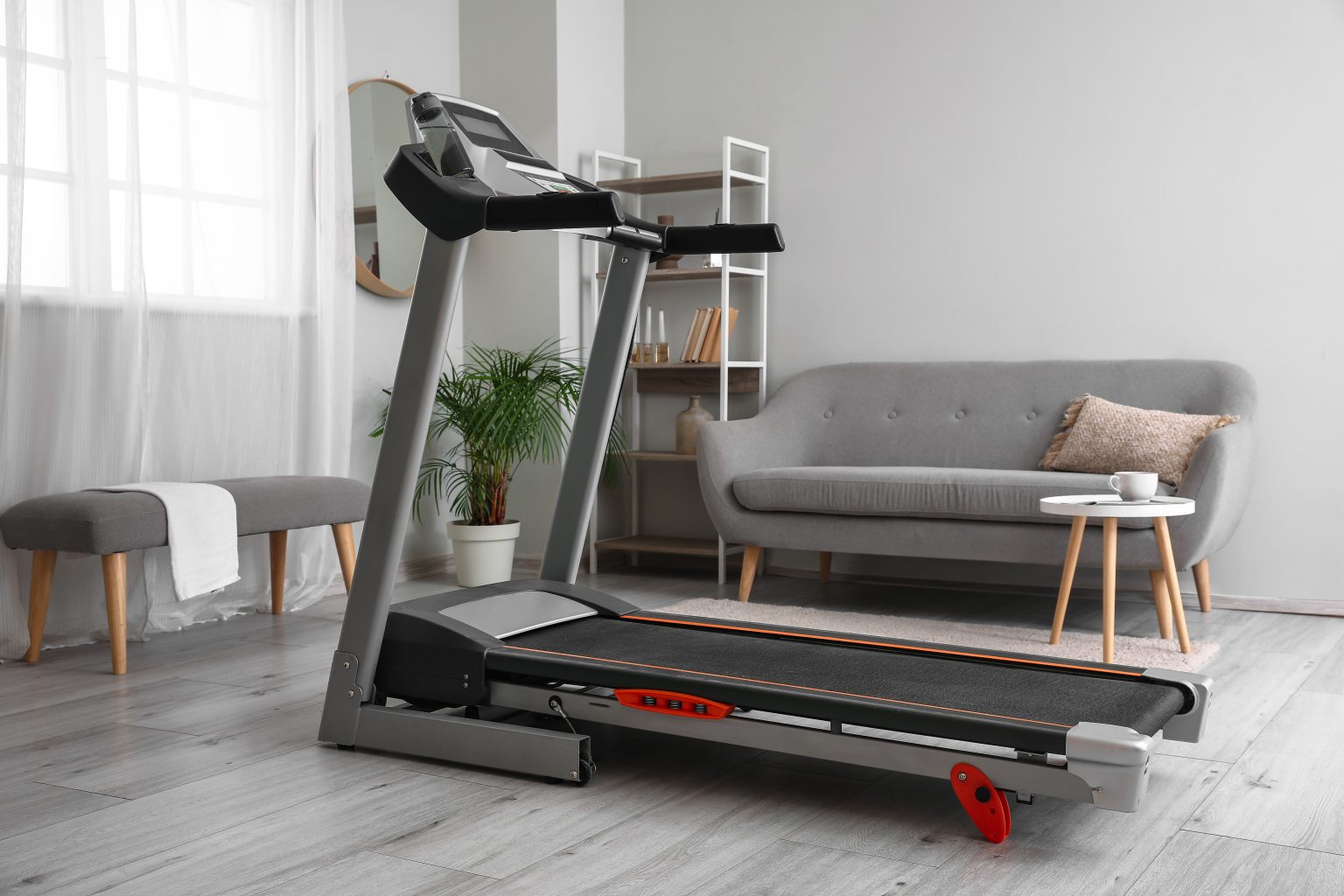
A home gym can make regular exercise easier, but the space needs to work well before the first workout. Poor equipment placement, limited floor space, loose parts, and unsuitable flooring can make a room difficult to use. Home gym installation services can help set up equipment correctly while keeping the room practical and safe. We Install It provides home gym assembly for different types of fitness equipment, including cardio machines and strength training systems. A well-planned setup also makes it easier to move around, store equipment, and keep the area clean after each workout.
Start With The Space You Already Have
A good workout area does not always require an entire basement, garage, or spare room. A section of a larger room can work if the equipment fits comfortably and there is enough space to exercise safely. Before bringing equipment into the room, measure the available area. Check the ceiling height, doorways, stairways, and access points. Large machines can be difficult to move through narrow spaces, so planning their route ahead of time can prevent problems during installation.
Keep these points in mind:
- Measure the floor area before buying equipment.
- Check the height needed for treadmills, racks, and other machines.
- Leave enough room to get on and off equipment safely.
- Keep doors, windows, and electrical outlets accessible.
- Plan storage space for weights, resistance bands, and smaller items.
A simple floor plan can also help. Mark the location of each machine before installation so the equipment does not end up crowded together.
Choose Equipment That Matches Your Routine
A home gym should support the exercises you actually plan to do. Buying too many machines can leave little room for movement and may make the space harder to maintain.
Cardio equipment can include:
- Treadmills
- Ellipticals
- Rowing machines
- Spin bikes
- Stair climbers
- Air bikes
For strength training, homeowners may choose power racks, squat stands, weight benches, cable machines, functional trainers, dumbbell racks, or barbell storage. Think about how each item will be used. A treadmill needs clear space around it, while a squat rack requires enough room for safe movement with a barbell. A multi-station machine may also need additional clearance for cables and attachments. Choosing equipment based on available space can make the room more useful than simply filling it with as many machines as possible.
Pay Attention To Flooring
Gym flooring is easy to overlook, but it can make a noticeable difference in a workout room. Heavy weights and machines can place stress on ordinary flooring. Exercise equipment can also create noise and vibration, especially during cardio workouts or strength training. Rubber flooring, interlocking foam mats, shock-absorbing tiles, and protective underlays are options used in home gym spaces.
The right flooring can help:
- Protect the floor from equipment and dropped weights.
- Reduce noise and vibration.
- Provide a more stable surface for exercise.
- Make cleaning easier.
- Define the workout area within a larger room.
Place protective material under heavier machines and equipment that may move during use. The flooring should also be suitable for the type of workouts planned in the space.
Make Equipment Placement Practical
The position of each machine affects how comfortable the whole room feels. A treadmill placed too close to a wall may limit access, while a weight bench positioned beside another machine can create an awkward walkway. Try to group equipment by activity. Cardio machines can share one section, while strength equipment can be placed in another. Smaller items can be stored against a wall or on dedicated racks.
For example, a practical layout may include:
- Cardio machines along one side of the room.
- A rack and bench in the main strength area.
- Dumbbells stored where they are easy to reach.
- Open floor space for stretching and bodyweight exercises.
- Mats or flooring covering the main training area.
This arrangement reduces unnecessary movement between exercises and makes the room easier to keep organised.
Professional Assembly Can Prevent Setup Problems
Some fitness equipment includes many parts, bolts, cables, moving components, and adjustment points. Large machines can also be heavy and awkward to position. Incorrect assembly may affect stability or how the equipment operates. We Install It handles home gym assembly and installation for different fitness brands. Its service includes cardio equipment, strength training equipment, flooring and protective mats, along with maintenance support for certain equipment needs. Professional assembly can be useful for homeowners who do not have the right tools or do not want to spend hours working through complicated instructions.
It can also help with:
- Correct alignment of equipment.
- Secure tightening of bolts and connections.
- Stable placement of machines.
- Proper setup of cables and moving parts.
- Checking equipment before it is used.
A properly assembled machine is easier to use and gives the workout area a more finished appearance.
Think About Safety Around Heavy Equipment
Safety should be part of the room layout from the start. Heavy machines and free weights need stable surfaces and enough surrounding space. Items should not block walkways or create trip hazards. Keep cables, resistance bands, and smaller accessories stored when they are not being used. Weights should be returned to racks rather than left on the floor.
For larger equipment, check the manufacturer’s requirements for clearance, weight capacity, and installation. Following these instructions helps protect both the equipment and the people using it. It is also useful to keep frequently used accessories within easy reach. This reduces the need to walk across the room during a workout and helps keep the floor clear.
Add Storage Without Taking Over The Room
Storage can make a small home gym feel much more manageable. Dumbbells, kettlebells, bands, mats, towels, and other accessories can quickly create clutter if there is no dedicated place for them. Wall-mounted storage, shelves, equipment racks, and storage benches can help keep smaller items organised. Choose storage based on what you already own rather than adding unnecessary furniture.
A simple storage plan could include:
- A rack for dumbbells and barbells.
- Wall hooks for resistance bands.
- A shelf for smaller accessories.
- A dedicated space for exercise mats.
- A basket or cabinet for towels and cleaning supplies.
Keeping equipment in set locations also makes it easier to notice when something needs cleaning, adjustment, or repair.
Leave Room For Future Changes
Your workout habits may change over time. You may add a new machine, replace an old one, or start using different equipment. A room packed from wall to wall leaves little flexibility. Leave some open floor space where possible. This can be used for stretching, mobility work, bodyweight exercises, or future equipment. We Install It also provides maintenance and repair support, including tasks such as belt and cable adjustments, lubrication, frame and bolt inspections, and replacement of worn components. Regular checks can help identify small equipment problems before they affect regular use.
Prepare Before The Installation Appointment
A little preparation can make installation easier. Clear the area before the equipment arrives and make sure the installers can reach the intended workout space.
Check that:
- Boxes are placed near the installation area if possible.
- The floor is clear of furniture and loose items.
- The planned equipment positions are known.
- Doorways and access routes are free.
- Any required electrical outlets are accessible.
It is also helpful to review the equipment instructions and confirm that all parts are available. We Install It notes that installation times can vary depending on equipment and complexity, with many installations taking a few hours. (We Install It)
Build A Space You Will Actually Use
A better home gym is not necessarily the room with the most equipment. It is a space where machines are positioned properly, flooring supports the workouts, accessories have a place, and there is enough room to move safely. We Install It can take care of the assembly and installation side, helping homeowners get fitness equipment set up and ready for use. Once the equipment is installed, keep the area clean and organised, check moving parts regularly, and adjust the layout as your workout routine changes. A practical setup can make home exercise easier to fit into everyday life. For professional home gym assembly and installation, We Install It can help you set up your workout space with proper equipment placement and secure assembly. Contact us today to discuss your home gym installation needs and arrange a suitable service time.