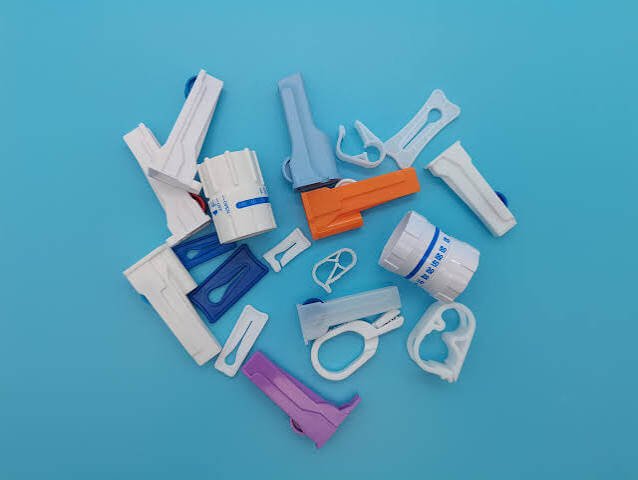
Beyond routine flow rate control, IV line clamps serve important safety functions during various clinical scenarios, including line changes, patient transport, and emergency situations requiring immediate flow stoppage. Understanding these broader applications provides valuable context beyond simple everyday flow adjustment use.
Line Clamp Function During Administration Set Changes
When clinical staff need to change an IV administration set or transition between different fluid bags, the iv line clamp provides the mechanism for safely stopping flow during this transition, preventing air introduction or fluid loss during the brief period when the line is temporarily disconnected from its fluid source.
Clamp Function During Patient Transport
During patient transport between clinical areas, appropriately securing the line clamp helps prevent accidental flow rate changes that could occur from tubing movement or inadvertent contact during transport, making clear transport protocols addressing clamp position an important element of safe patient movement procedures.
Emergency Flow Stoppage Scenarios
In situations requiring immediate flow stoppage, whether due to suspected adverse reaction, line complications, or other urgent clinical circumstances, clinical staff need to confidently and quickly locate and operate the line clamp, making staff familiarity with clamp location and operation an important element of emergency response readiness.
Multiple Clamp Points Along Complex Administration Setups
More complex IV administration setups, particularly those involving multiple simultaneous infusions or secondary medication lines, may incorporate multiple clamp points requiring clinical staff to understand which specific clamp controls which particular fluid pathway, making clear line labeling and staff familiarity with the specific setup configuration important for safe management.
Clamp Function During Line Disconnection for Patient Activities
Various patient care activities, including certain diagnostic procedures, bathing, or other situations requiring temporary line disconnection, depend on reliable clamp function to safely stop flow during the disconnection period, making consistent, dependable clamp mechanical performance clinically important beyond routine continuous infusion management alone.
Documentation and Communication During Clamp-Related Line Management
Clinical protocols should address appropriate documentation and communication practices when clamps are used to manage line disconnection or reconnection, ensuring clear continuity of care information, particularly important during shift transitions or when multiple staff members are involved in a patient’s ongoing care.
See also: Choosing the Right Industrial Sewing Machine for Your Business
Training on Comprehensive Clamp Management Scenarios
Clinical education should address the full range of clamp management scenarios beyond routine flow rate adjustment, including line change procedures, transport protocols, and emergency stoppage technique, ensuring staff develop comprehensive competency across all the practical situations where reliable clamp operation matters clinically.
Conclusion
IV line clamps serve important safety functions extending well beyond routine flow rate adjustment, supporting safe line changes, patient transport, and emergency response scenarios throughout clinical practice. Comprehensive clinical training addressing this full range of applications supports safer, more confident patient care management.
FAQs
Q1: Why is line clamp function important during administration set changes? It provides the mechanism for safely stopping flow during transitions between fluid bags or sets, preventing air introduction or fluid loss during temporary disconnection.
Q2: What should transport protocols address regarding IV line clamps? Protocols should address appropriate clamp position during patient movement to prevent accidental flow rate changes from tubing movement or inadvertent contact.
Q3: Why is staff familiarity with clamp location important for emergency scenarios? Situations requiring immediate flow stoppage demand that clinical staff can quickly and confidently locate and operate the appropriate clamp without delay.