Adjustable pedestals have become an essential component in contemporary construction projects, especially for raised access flooring, decking, and outdoor terraces. These innovative supports provide a versatile and efficient solution for elevating and leveling various surfaces with ease. This guide explores what adjustable pedestals are, their applications, advantages, types, installation considerations, and maintenance tips for modern construction.
What Are Adjustable Pedestals?
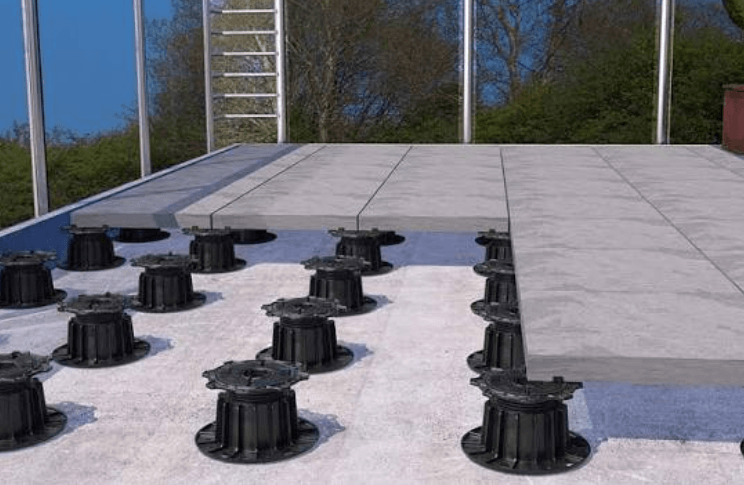
Adjustable pedestals are height-variable supports designed to elevate decking, paving, or flooring systems above a substrate. They enable builders and architects to create level, stable surfaces over uneven ground or roof decks. Unlike fixed pedestals, they permit precise height adjustment, typically ranging from a few millimetres to several hundred millimetres.
Constructed from durable materials such as polypropylene or reinforced composites, adjustable pedestals resist weathering, chemical exposure, and mechanical stress. Their flexibility makes them suitable for both indoor and outdoor applications across commercial and residential projects.
Applications of Adjustable Pedestals
Adjustable pedestals are widely used in the construction industry for elevating and supporting various surfaces, including:
- Raised access flooring in commercial office spaces
- Outdoor timber and composite decking
- Roof terraces and green roofs
- Balconies and walkways
- Paving systems on uneven ground
By enabling surfaces to be elevated, these pedestals accommodate underfloor mechanical, electrical, and plumbing installations while facilitating drainage and ventilation.
Benefits of Adjustable Pedestals
The use of adjustable pedestals in construction offers several notable advantages:
- Height Versatility: Fine height adjustments allow for perfectly level surfaces without the need for costly substrate levelling.
- Improved Drainage: Elevated surfaces enhance water runoff and prevent pooling, reducing the risk of water damage.
- Access to Services: The gap below raised floors or decking facilitates access for maintenance of cables, pipes, and other services.
- Simple and Fast Installation: Pedestals are lightweight and easy to position, accelerating construction timelines.
- Cost-Effective: Reduced need for substrate preparation lowers overall project costs.
- Durability: Resistant to weather extremes, UV radiation, and chemical exposure, ensuring long-lasting support.
Types of Adjustable Pedestals
Various designs of adjustable pedestals are available, each suited to specific use cases and load requirements:
Screw-Adjustable Pedestals
These feature a threaded screw mechanism that allows precise height adjustments. They are commonly used for decking and raised flooring, offering fine control from low to mid heights.
Telescopic Pedestals
Telescopic models comprise nested components that extend to the desired height. They accommodate greater height ranges and are ideal for roof terraces and landscaping applications.
Fixed Height Pedestals with Shims
Though not fully adjustable, fixed pedestals paired with shims can achieve some level of height variation. This option is cost-effective for uniform surfaces with minor irregularities.
Choosing the Right Adjustable Pedestals
Selecting suitable pedestals depends on several factors, including:
- Height adjustment range required
- Load-bearing capacity based on expected traffic and surface materials
- Compatibility with surface construction materials (timber, concrete, stone)
- Environmental exposure such as UV, moisture, or chemicals
- Ease of installation and maintenance
Consulting reputable suppliers and manufacturers ensures the choice aligns with project specifications and compliance standards.
Installation Considerations
Proper installation of adjustable pedestals ensures optimal performance and longevity. Key considerations include:
Substrate Preparation
The underlying surface should be stable and free of debris. Although pedestals compensate for unevenness, a solid base prevents unwanted shifting.
Layout Planning
Pedestal spacing and layout must correspond to the size and weight of the flooring or decking material. Adhering to manufacturer spacing guidelines guarantees structural integrity.
Height Adjustment
Each pedestal should be individually adjusted on site to achieve a level surface. This process often involves laser levelling tools for precision.
Load Testing
After installation, load testing verifies that pedestals can support anticipated weights without deformation or displacement.
See also: Choosing the Right Industrial Sewing Machine for Your Business
Maintenance and Longevity
Adjustable pedestals require minimal maintenance but periodic inspection is recommended. Maintenance involves:
- Checking for any movement or loosening
- Cleaning debris that may accumulate beneath the surface
- Inspecting for UV or chemical damage in exposed environments
- Replacing damaged or worn pedestals promptly to maintain structural safety
High-quality pedestals can serve effectively for decades if installed and maintained correctly.
Environmental and Sustainability Aspects
Adjustable pedestals contribute to sustainable construction practices by minimising the need for concrete or other heavy substrate levelling methods. Additionally, many pedestals are manufactured from recyclable or reused materials, further reducing environmental impact.
By facilitating green roof installations and better water drainage, they also play a role in enhancing building environmental performance.
Innovations in Adjustable Pedestals
Recent advances include pedestals with integrated sound insulation, vibration dampening, and enhanced load capacities. Some models offer quick-lock mechanisms to simplify installation or compatibility with solar panel mounts and other specialised applications.
Where to Source Adjustable Pedestals
Professional-grade adjustable pedestals can be sourced from specialised suppliers who cater to modern construction needs. For reliable options and technical guidance, it is advisable to consult adjustable pedestals providers that offer comprehensive product ranges and support services.
Conclusion
Adjustable pedestals represent a vital technology in contemporary construction, providing adaptable, durable, and cost-effective solutions for supporting raised flooring, decking, and paved surfaces. Their ability to compensate for uneven substrates while facilitating access to services and improving drainage makes them indispensable in numerous applications.
Understanding their types, benefits, selection criteria, and installation best practices ensures that construction professionals can maximise their utility and contribute to building environments that are functional, sustainable, and safe. With ongoing innovations and increasing demand for flexible construction materials, adjustable pedestals remain at the forefront of modern building technologies.