Trailer compliance is a critical aspect of road safety and legal operation, ensuring that trailers meet the necessary standards set by regulatory authorities. Among the key elements of trailer compliance is the trailer compliance plate, an essential marker that confirms a trailer’s adherence to these standards. This article provides a detailed overview of trailer compliance plates, their purpose, and the regulations surrounding them.
What is a Trailer Compliance Plate?
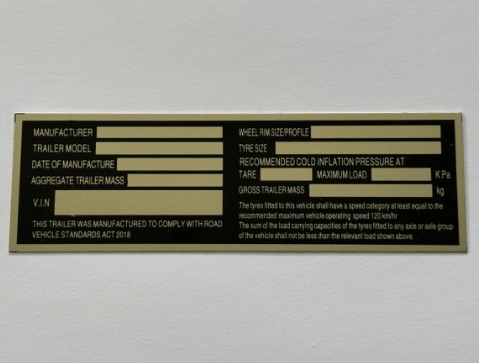
A trailer compliance plate is a metal plate affixed to a trailer that provides critical information indicating the vehicle’s compliance with applicable construction and safety standards. This plate is mandatory for trailers in many jurisdictions and forms an official record that the trailer has been inspected and meets regulatory requirements at the time of manufacture or modification.
Purpose of Trailer Compliance Plates
The compliance plate serves several vital functions. Primarily, it ensures the trailer is constructed to meet safety standards around structural integrity, braking systems, lighting, and coupling devices. It also provides a quick reference for authorities, buyers, and sellers to verify that the trailer is legally compliant for use on public roads.
Additionally, the plate typically includes important specifications such as the Gross Vehicle Mass (GVM), aggregate trailer mass rating, and axle ratings, which are crucial for safe loading and transportation.
Regulatory Requirements for Trailer Compliance
Trailer compliance regulations vary between countries, but generally, they are governed by transport authorities such as the Department of Transport or equivalent bodies. In Australia, for example, trailers must comply with the Australian Design Rules (ADRs) and must display a compliance plate issued or approved by an authorised entity.
The presence of a compliance plate confirms that the trailer complies with design and construction criteria stipulated under national regulations. Trailers without valid compliance plates may face restrictions from registration authorities or may be deemed illegal for road use.
Types of Trailers Requiring Compliance Plates
Not all trailers require a compliance plate. Typically, trailers exceeding a certain gross mass threshold, such as over 750 kilograms, are mandated to have a compliance plate. This category includes caravans, horse float trailers, box trailers, and larger utility trailers.
Smaller trailers, such as those used for light-duty purposes or recreational activities, might be exempt depending on jurisdictional laws. Operators should check local regulations to determine the specific requirements applicable to their trailers.
Information Displayed on Trailer Compliance Plates
Compliance plates contain specific information that certifies a trailer’s adherence to legal standards. Common details found on these plates include:
- Manufacturer’s name or identification
- Approval number or certification mark
- Date of manufacture or certification
- Gross Vehicle Mass (GVM) or Aggregate Trailer Mass (ATM)
- Axle load ratings
- Vehicle Identification Number (VIN) or chassis number
This information assists in confirming the legal status and safe operating weights of the trailer.
Process of Obtaining a Trailer Compliance Plate
Manufacturers typically obtain compliance plates during the production process by adhering to approved design and construction guidelines. Once the trailer meets these standards, the compliance plate is issued and affixed before the trailer reaches the market.
For existing trailers that have been modified or built privately, owners may need to have their trailers assessed by authorised engineers or certifying bodies to obtain a compliance plate. This process involves inspection and verification that the trailer conforms with the relevant standards.
Implications of Non-Compliance
Trailers without proper compliance plates risk legal penalties, including fines, refusal of registration, or being prohibited from use on public roads. Insurance claims might also be invalidated if an incident involves a non-compliant trailer.
Ensuring trailer compliance not only facilitates lawful operation but also contributes to road safety by guaranteeing that trailers are designed and maintained to handle the stresses associated with towing and transport loads.
Maintaining Compliance Post-Manufacture
Compliance plates reflect the trailer’s condition at the time of manufacture or certification. However, owners must ensure ongoing compliance by maintaining the trailer, especially if modifications are made. Adding heavier axles, altering the coupling, or changing load capacities may affect compliance status.
In such cases, re-certification and updated compliance plates may be necessary to accurately represent the trailer’s capabilities and ensure continued legality.
Role of Compliance Plates in Second-Hand Sales
The presence of a valid compliance plate is an important factor when buying or selling second-hand trailers. It provides buyers with assurance that the trailer was constructed according to recognised safety standards.
Prospective buyers should verify the compliance plate and cross-check it against trailer documentation to avoid acquiring non-compliant or illegally modified trailers.
Common Misconceptions About Trailer Compliance Plates
One common misconception is that all trailers must display a compliance plate regardless of size or purpose. In reality, regulations usually specify weight thresholds and trailer types that require such plates.
Another is the belief that a compliance plate is valid indefinitely. Although it certifies compliance at manufacturing, significant alterations may invalidate compliance status, requiring re-assessment.
See also: Choosing the Right Industrial Sewing Machine for Your Business
The Impact of Trailer Compliance on Road Safety
Safety is the primary reason trailer compliance plates and regulations exist. Compliance ensures the trailer’s structural strength, braking systems, lighting, and coupling mechanisms meet safety standards that prevent accidents caused by equipment failure.
Properly rated axles and load limits indicated on compliance plates also prevent overloading, which can lead to dangerous road conditions and damage to towing vehicles.
Where to Obtain Further Information on Trailer Compliance
Those seeking detailed guidance on trailer compliance plates and regulatory obligations can visit official government transport websites or contact authorised certification entities. Additionally, industry specialists and compliance plate providers offer comprehensive information and services related to trailer compliance.
A reliable resource for information and acquiring legitimate trailer compliance plates is essential for manufacturers, modifiers, and trailer owners alike.
Conclusion
Trailer compliance plates are a fundamental component of trailer regulation, ensuring that vehicles operate safely within established guidelines. Understanding the purpose, requirements, and maintenance of compliance plates helps owners and operators maintain legality and contribute to safer road environments.
Adhering to trailer compliance regulations not only avoids legal consequences but also promotes responsible vehicle operations, protecting both the trailer user and other road users.